BASF to Cut European Caprolactam Output
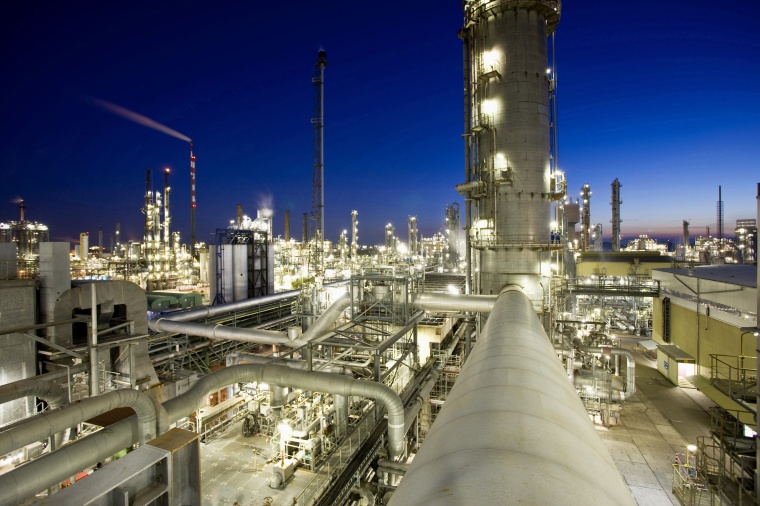
BASF has announced it will cut its European caprolactam production by 100,000 t/y to 400,000 t/y in response to what it called “a difficult market environment.” Most of the capacity reduction is planned to take place at the main site in Ludwigshafen, Germany, where the 80 workers affected by the full or partial closure of four plants producing caprolactam as well as anolone and oleum will be offered new jobs.
The world’s largest chemical producer, which is also Europe’s leading producer of polyamide, for which caprolactam is one of the principal feedstocks, said the closures will take place gradually over the next 18 months.
Goal of the capacity cutbacks is to enhance the competitiveness of the PA 6 value chain, said Joachim Queisser, who heads BASF’s European business unit Polyamides and Precursors. He added that the realignment is also designed to give the group greater flexibility in managing its capacities and allow it to better respond to changing market conditions. Due to overcapacity, demand for PA feedstocks has been weak for some time. In 2013, BASF reduced its capacity for adipic acid, the main feedstock for PA 6.6, by more than 20% to 210,000 t/y.
The Ludwigshafen group operates production facilities for products along the PA chain in Europe, North America and China. European plants are located at Antwerp, Belgium, alongside Ludwigshafen. Freeport, Texas, is home to US production and Shanghai is the Chinese base.