BASF and Evonik in Merger Talks - Update
BASF plans to acquire Evonik. Both chemical companies have confirmed that talks are underway. Evonik rejects BASF’s initial offer.
BASF wants to acquire Evonik. The Ludwigshafen-based chemical company on September 25 has confirmed its concrete interest in Evonik. It is conducting initial exploratory talks with the RAG Foundation, Evonik’s largest shareholder, regarding a potential acquisition of the Essen-based specialty chemicals company. Evonik also confirmed that the Ludwigshafen-based chemical company had reached out to them.
A statement from Ludwigshafen said: “The progress and outcome of the exploratory talks are currently uncertain. As part of its corporate strategy, BASF continuously evaluates strategic acquisition opportunities that strengthen its core businesses, demonstrate a high strategic fit, and promote profitable growth and value creation. BASF is proceeding in a disciplined manner.”
The company will inform the market immediately, in accordance with regulatory requirements, if and to the extent necessary. Media outlets such as the Handelsblatt have consistently reported on the speculation in recent days.
On September 28, it was announced that Evonik—or rather, its majority shareholder, the RAG Foundation—had rejected BASF’s initial offer. The rejection comes as no surprise. Whether a takeover battle will ensue depends on the reaction from Ludwigshafen. According to the Handelsblatt, it remains to be seen if and when a new offer will be made.
BASF generated global sales of approximately €60 billion in 2025. Evonik generated approximately €14 billion during the same period. This would make a BASF acquisition of Evonik the largest possible merger in the German chemical industry—the number one company would acquire the number two.
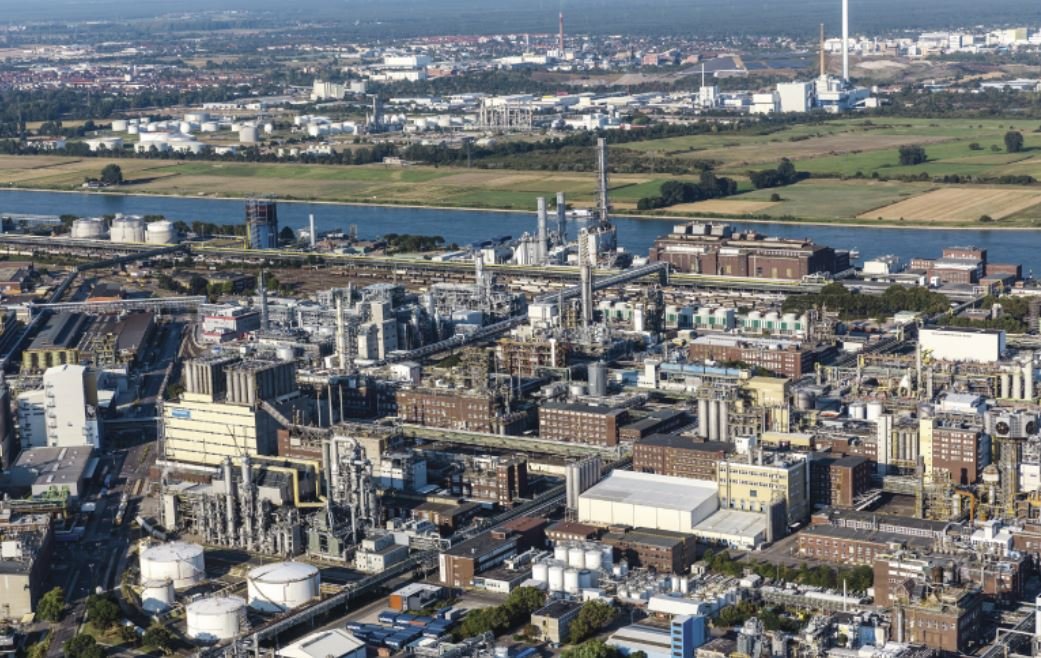
Far-reaching Restructuring Programs
Both companies are currently implementing restructuring programs that include, among other things, site closures and job cuts. BASF is primarily restructuring its industrial base and the Ludwigshafen site, while Evonik is consistently realigning its portfolio and business model toward high-margin specialty chemicals businesses.
The focus of BASF’s “Winning Ways” strategy is on increasing competitiveness, particularly against producers in China, the US, and the Middle East. This includes, above all, improving the profitability of the Ludwigshafen site, which suffers from high energy and site costs. For BASF, Ludwigshafen is the global hub of the Verbund model, research, and corporate management. Therefore, the success of the ongoing restructuring in Ludwigshafen will be a decisive factor in BASF’s future competitiveness. Since 2024, the share of highly competitive production units at the site has risen from 78% to 88%.
In addition, fixed costs are to be reduced and the organization streamlined. By mid-2026, the workforce had been reduced by approximately 7,000 positions (excluding divestitures). Portfolio measures at BASF include, for example, the sale of the Coatings division and a stronger focus on profitable core activities. Unlike parts of the traditional chemicals business, the Agricultural Solutions division is to be positioned separately as a future growth business and is therefore more a part of the strategic repositioning than of the cost-cutting program.
Evonik’s “Tailor Made” initiative is also aimed, among other things, at permanently reducing the cost base. The Essen-based specialty chemicals group primarily aims to create financial leeway for investments in future-oriented fields such as healthcare, biotechnology, hydrogen, and the circular economy. In total, more than 6,000 jobs are to be eliminated in two phases. As part of the transformation, Evonik has already implemented or announced several portfolio measures. The global polyester business has been completely discontinued. The Essen-based group began restructuring its business in resins for coatings and adhesives as early as 2024 and has examined various options in this context, including divestitures. Evonik has officially launched a sale process for its C4 chemicals and oxo-alcohols business, which is grouped under the name Oxeno.
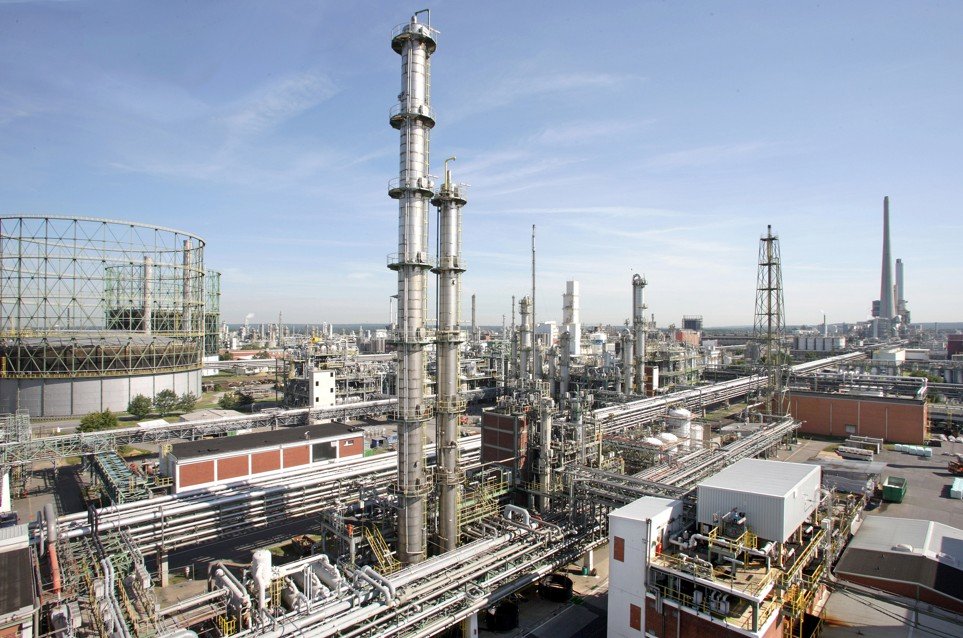
General Chemicals vs. Specialty Chemicals
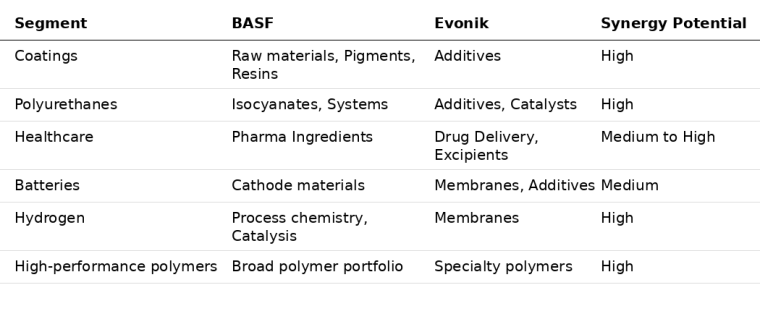
There are some overlaps and some complementary areas in the business segments of both companies. BASF and Evonik compete primarily in select specialty chemicals and coatings applications, but they complement each other along many value chains, as BASF is more firmly rooted in integrated and basic chemicals, while Evonik focuses on high-margin specialty chemicals and application-oriented solutions. For this reason, the companies often do not act as direct competitors but rather as part of the same supply chain. A merger would strengthen their position.
The greatest industrial logic would lie in combining BASF’s strengths in petrochemicals, basic chemicals, and integrated production with Evonik’s strengths in specialty chemicals, additives, and application-oriented solutions.
By acquiring Evonik, BASF would increase the proportion of its less cyclical and higher-margin businesses. Evonik’s strategic focus on areas such as healthcare, additives, membranes, and high-performance polymers would complement BASF’s portfolio. However, the combined market position in numerous specialty chemicals markets would be very strong, which means that antitrust authorities would likely require the two companies to make extensive divestitures in the event of a merger.
Core Business: Plastics
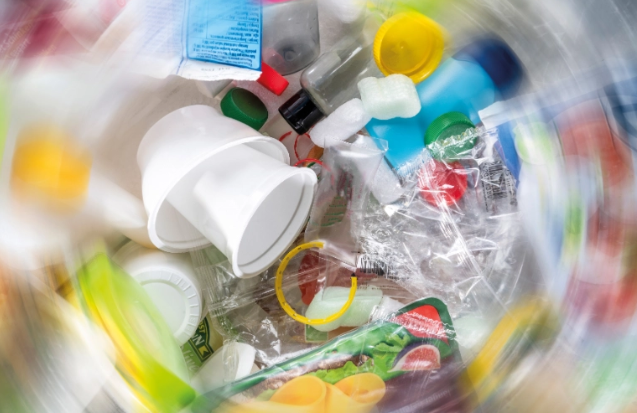
There is significant overlap between the two product portfolios, particularly in the plastics sector. In some segments, BASF and Evonik are direct competitors. Plastics are the core business for both companies; overall, BASF has a significantly broader product portfolio, while Evonik primarily offers specialty polymers and polymer additives.
Competition between the two companies is most intense in the polyamide sector, and although they offer different types of polyamides, both manufacturers frequently compete for the same customers and applications. In polyamides and other high-performance polymers, both companies compete for demanding lightweight construction and specialty applications, such as in the automotive segment.
In the polyurethane business, their roles differ, and BASF and Evonik are more like supply partners within the same value chain than direct competitors. In the PVC market, too, complementarity outweighs competition. Furthermore,
In many applications, the two companies complement each other: BASF often supplies the polymer base or precursors, while Evonik supplies additives, specialty polymers, or materials with functional properties. As a result, BASF and Evonik often interact in the plastics industry simultaneously as both competitors and supply partners. Overlap is greatest in the automotive, hydrogen, medical technology, and 3D printing markets. Both companies are also active in plastics recycling and view the circular economy as a growth area.
Beyond plastics, the most significant overlaps between BASF and Evonik are in specialty chemicals. The areas of strongest direct competition outside of plastics include coatings and paint additives, cosmetic and personal care ingredients, and pharmaceutical excipients and healthcare. Both companies are major suppliers to the personal care industry. Here, they frequently compete directly against each other. In the coatings sector, both suppliers often serve the same paint and varnish manufacturers, albeit with different products within the same formulation. In the pharmaceutical sector, there is direct competition in certain excipient segments, while Evonik is significantly better positioned in drug delivery. In the animal nutrition market—a somewhat underestimated competitive arena—both companies are among the major suppliers, though with different product focuses.
From a strategic perspective, BASF and Evonik currently compete primarily in areas where BASF is expanding into specialty chemicals. This is likely a key factor behind the Ludwigshafen-based company’s acquisition plans.
Update: Evonik has reportedly turned down BASF's first offer, with the Financial Times citing a bid valued around €10.3 billion as apparently too low for the board and RAG Foundation to accept. It's unclear whether this ends the consolidation talk covered above or if a revised offer could still follow.