Arkema to Sell Epoxides Business to Cargill
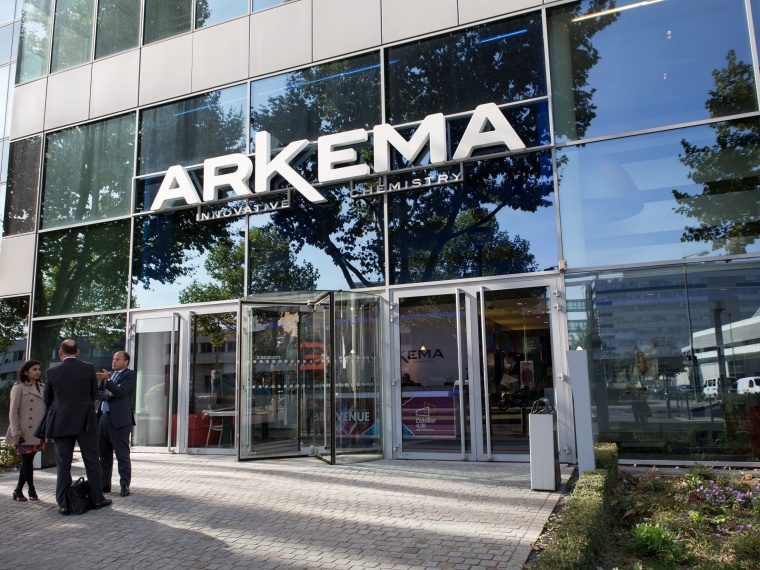
Arkema has announced it is selling its epoxides business for $38.8 million to US agriculture giant Cargill. The agreed price for the activities with sales of around $40 million and some 45 employees is equivalent to around 10 times EBITDA.
With the divestment, expected to be completed during the upcoming fourth quarter, the French specialty chemicals producer said it is continuing the drive to reposition its portfolio to concentrate on its core activities.
Part of Arkema’s hydrogen peroxide unit, the business produces bio-based and specialty epoxides at Blooming Prairie, Minnesota, USA. The products, which are used among other things as additives or intermediates to manufacture lubricants or plastics additives, have “limited integration” with the rest of its portfolio, the French group said.
Under the Cargill umbrella, Arkema said the unit’s “high quality products” will benefit from the size and the development strategy of the US group and enjoy new growth potential in industrial markets.
With the acquisition, Cargill said it will gain access to end-to-end production capabilities in bio-based plasticizers and polyols, enabling it to better serve its industrial customers with nature-derived alternatives to traditional petroleum-based additives.
Author: Dede Williams, Freelance Journalist