AkzoNobel opens new highly energy efficient membrane electrolysis plant

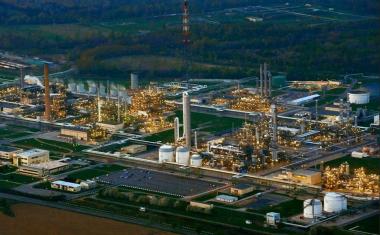
AkzoNobel inaugurated its new, highly efficient chlorine membrane electrolysis plant in the Höchst Industrial Park, Germany. The Frankfurt-based, state-of-the-art plant is the result of a major conversion and expansion project begun in 2011 and involving a €140 million investment by the company. Capacity has been increased by 50% whilst at the same time reducing the plant's overall ecological footprint by some 20%.
"This investment in our Specialty Chemicals business highlights the steps we are taking to strengthen our market positions and further improve our performance as a company," said AkzoNobel CEO Ton Büchner. "We are constantly looking for new and innovative ways to improve our operational efficiency, drive our sustainability agenda and improve our service to customers."
Added Werner Fuhrmann, the company's Executive Committee member responsible for Specialty Chemicals: "This plant produces building blocks for the manufacture of products we all use on a daily basis ranging from pharmaceuticals and tooth paste to door and window frames. By radically improving our efficiency and increasing our use of renewable energy, we can take significant steps in making these everyday essentials even more sustainable."
To mark the inauguration, a special event is being held today for employees, customers and other business partners. It will be attended by both Ton Büchner and Werner Fuhrmann, as well as Tarek Al-Wazir, Minister for Economy, Energy, Transport and Regional Development for the federal state of Hessen who stated: "The new chlorine production facility of AkzoNobel Industrial Chemicals is a good example that economy and ecology are compatible; and it is a strong signal for the strengthening of the chemical cluster Hessen."
The facility has been converted from mercury-cell technology to the latest generation membrane technology. Radical efficiency improvements will reduce energy consumption by 30 percent per ton of product. Boosting chlorine production capacity up to 250 kilotons per year will also reinforce the company's leading positions in Europe's chlor-alkali markets.
Work at Frankfurt started in 2011, with commercial production from the new plant expected to come on stream in the next few weeks. The site is one of three chlorine plants operated by AkzoNobel in Germany, the other two being located in Bitterfeld and Ibbenbüren. AkzoNobel said that it will decide about the future of the Ibbenbüren facility, which is still operating on the mercury cell technology, soon.
Products from the salt-chlorine chain, including chlorine, caustic lye, and derivatives including MCA and chloromethanes, are essential basic chemicals and are used in countless everyday products and processes, ranging from water disinfection to clothing, amongst other things in the manufacture of epoxies, polyurethanes, polycarbonates, PVC and titanium dioxide. They are also used in the manufacture of more than two thirds of all pharmaceuticals.