AkzoNobel accelerates R&D innovation with Albert Invent
AkzoNobel, a global leader in paints and coatings, and Albert Invent, who is building the future of chemistry R&D, recently announced an AI transformation partnership with AkzoNobel’s global R&D organization.
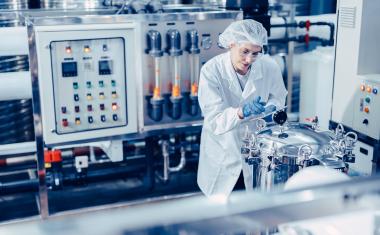
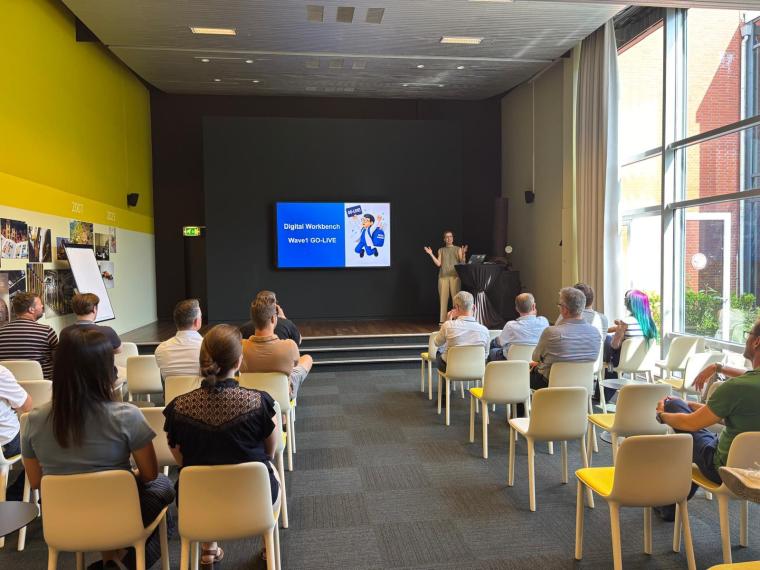
AkzoNobel’s Digital Workbench initiative is designed to connect laboratory workflows, structure scientific data, and put modern AI tools directly in the hands of chemists with the aim of accelerating innovation and delivering better solutions for customers. With more than 2,000 R&D professionals working across 70 labs in over 20 countries, AkzoNobel operates one of the most extensive research networks in the global coatings industry.
“Albert OS enables true connectivity between all our R&D teams around the world, driving increased productivity and speed to market through the effective combination of our collective know-how and modern AI/ML functionality. Through the connected experimental workspace and significantly more open collaboration that it enables, we are able to bring innovative, sustainable solutions to our customer base at a much faster pace,” said Frank Vergeer, R&D Group Director and Powder R&D Director, AkzoNobel
“AkzoNobel has one of the most distinguished scientific legacies in the coatings industry, and their commitment to connecting that legacy to modern AI is precisely the kind of transformation this industry needs. We built Albert to support this ambition, helping world-class R&D teams work at their best and deliver outcomes that genuinely matter to their customers,” commented Nick Talken, Co-Founder & CEO, Albert
Building the Scientific Intelligence Layer for R&D
Modern AI tools hold real promise for R&D organizations in the coatings and specialty chemicals industry. Realizing that promise depends on a foundation most labs have yet to fully build: scientific data that is structured, accessible, and connected across the organization. Without it, experimental insights remain isolated, prior work is difficult to build upon, and teams spend valuable time reconstructing knowledge that already exists elsewhere in the organization.
Through this partnership, Albert powers AkzoNobel’s Digital Workbench initiative with Albert OS, an AI-native R&D operating system that transforms experimental activity into a continuously compounding knowledge asset. By structuring scientific workflows, standardizing experimental data, and connecting institutional expertise across teams, the platform enables researchers to learn from decades of prior work in seconds.
“The impact of this transformation goes far beyond technology. It is about building the capabilities, mindset, and ways of working that enable our teams to innovate more openly, learn faster, and scale ideas more effectively across the organization. Together with the Albert team, we have paired the introduction of new digital capabilities with a strong focus on change management, ensuring the transformation is not only implemented technically, but truly adopted culturally,” added Milena Rosso-Vasic, Program Manager Lab 4.0, AkzoNobel
Looking Ahead
Rollout of the Digital Workbench is already underway across AkzoNobel’s R&D teams. Both organizations are focused on broad adoption and the continued expansion of AI capabilities as the program matures and view this collaboration as a durable foundation for ongoing innovation in how enterprise R&D is performed.