ACC Launches Website Critical of IARC
American Chemistry Council (ACC), the association representing US chemical producers, has launched a public campaign aimed at debunking claims made by the Lyon, France-based International Agency for Research on Cancer (IARC), part of the World Health Organization (WHO), that it sees as detrimental to chemical business.
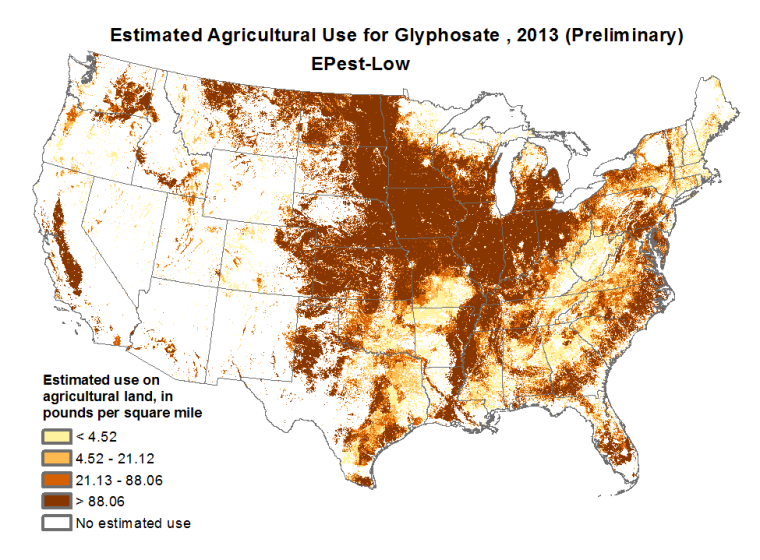
Among other broadsides against IARC opinions that cast certain of the industry’s products in a negative light, the ACC’s Campaign for Accuracy in Public Health Research (CAPHR) appears to have set its sights on environmental legislation passed by US states, while devoting much of its attention to criticizing reports that the glyphosate, the active ingredient in Monsanto’s Roundup Ready herbicide, may be a carcinogen.
The campaign, which has its own website, said IARC’s decision-making on the cancer-causing potential of chemicals “suffers from persistent scientific and process deficiencies that result in public confusion and misinformed policy-making.” Public policy must be based on a transparent, thorough assessment of the best available science, said ACC president, Cal Dooley.
US chemical producers take issue in particular with the IARC Monographs Program, which publishes evaluations, known as monographs, on whether certain chemicals, lifestyles and activities may cause cancer. The association said the program “has been responsible for countless misleading headlines about the safety of the food we eat, the jobs we do and the products we use in our daily lives.” In particular, IARC has come under fire from the chemicals sector for its labeling of the agricultural chemical glyphosate, the active ingredient in Monsanto’s Roundup, as cancer-causing.
In 2015, the WHO agency said glyphosate, the active ingredient in the US producer’s Roundup Ready herbicide, as “probably carcinogenic to humans.” The opinion invited even more discussion later, when a panel of the UN’s Food and Agriculture Organization (FAO) and the main body of WHO took what appeared to be a contradictory view, saying the herbicide ingredient was “unlikely to pose a carcinogenic risk to humans exposed to it through food.” The panel noted, however, that its conclusions did not contradict the findings of IARC, but were complementary: while IARC focused on the hazards of glyphosate per se, The FAO/WHO review looked at exposure risks.
IARC has called the chemical industry campaign similar to strategies used by the tobacco industry to discredit its science through “misrepresentations and inaccuracies.”