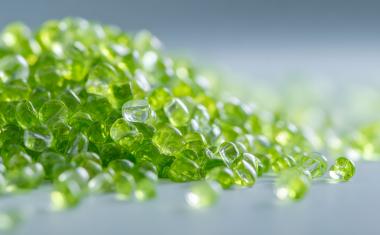
Vioneo Taps Lummus for Green-Methanol Based Plastics Facility
Vioneo has selected Lummus Technology’s Novolen polypropylene (PP) technology for a new plant in Antwerp, Belgium.


Vioneo has selected Lummus Technology’s Novolen polypropylene (PP) technology for a new plant in Antwerp, Belgium.

New platform connects start-ups, research organizations, and universities with leading chemical players to shape scalable circular and net-zero solutions.
Covestro has agreed to acquire two legal entities with stand-alone production sites for HDI (Hexamethylene Diisocyanate) derivatives in Rayong, Thailand, and Freeport, USA, from Vencorex Holding SAS.

Cefic and the American Chemistry Council (ACC) joined together to issue the following statement from ACC’s President and CEO Chris Jahn and CEFIC’s Director General Marco Mensink.
Cabot Corporation has entered into a definitive agreement to acquire Mexico Carbon Manufacturing from Bridgestone Corporation.
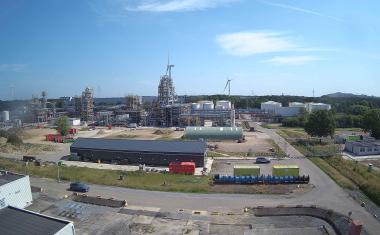
Chevron Phillips Chemical has successfully completed the expansion of its low-viscosity polyalphaolefins production unit in Beringen, Belgium, boosting its manufacturing capacity in Europe.
Saint-Gobain has strengthened its construction chemicals business with the acquisition of three companies: Interstar Materials in North America, Isoltech in Italy, and Soquimic in Peru.
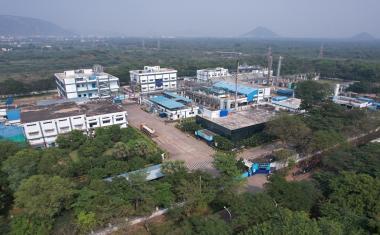
Axplora announced a significant investment at its Vizag site in India to expand production capacity and reinforce supply chain resilience.
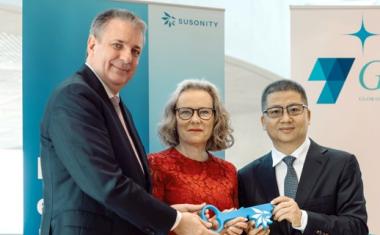
Merck transferred its Surface Solutions business to Global New Material International (GNMI), one of the largest manufacturers of pearlescent pigments.
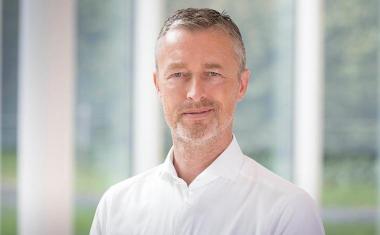
The focus is on organizational realignment, the withdrawal from commodity products and the closure of individual production facilities.

Archroma has entered into a strategic collaboration with VJTI to advance research and innovation in green chemistry and sustainable technologies.

The German Chemical Industry Association (VCI) welcomes the fact that Ursula von der Leyen, President of the European Commission, and US President Donald Trump have averted the danger of a trade war for the time being.
In-depth and practical textbook resource on chemical engineering processes, ranging from fundamentals to advanced aspects
Optimize asset decisions and improve the financial and technical operation of process plants
Describes the methodologies and best practices of the sterile manufacture of drug products

German oxo-chemicals manufacturer Oxea has appointed Michael McHenry as its new CEO with effect from August 15, 2025.

Ineos has completed a major £30 million investment at its Hull manufacturing site, converting the facility to run on clean-burning hydrogen instead of natural gas. This results in a 75% cut in carbon emissions.
The pharmaceutical service provider Siegfried has announced changes to its management team. Marianne Späne, who has been with the Swiss CDMO since 2004 and has held the position of Chief Business Officer since the beginning of 2020, is moving to the Board of Directors of the subsidiary Dinamiqs.
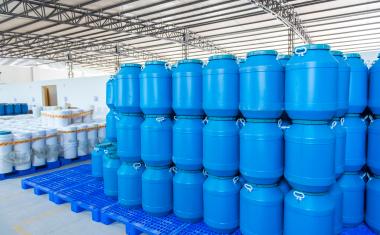
LBB Specialties (LBBS) recently announced the expansion of its distribution partnership with Clariant. This enhances LBBS’s presence in Puerto Rico, providing customers with access to pharmaceutical-grade excipients.

IMCD recently appointed Andreas Igerl as Regional President EMEA and as Leader of the global Industrial Business Groups, and Narendra Varde as Regional President APAC.
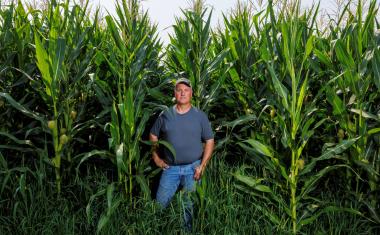
Qore, a joint venture of Minnesota-based Cargill and Germany-based Helm, is officially starting production of Qira, the world’s first large-scale 1,4-butanediol (BDO) made from locally grown dent corn.
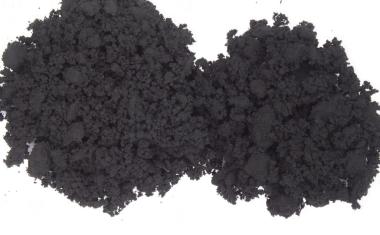
Carbon black manufacturer Orion Engineered Carbons plans to rationalize production lines in North and South America and EMEA.
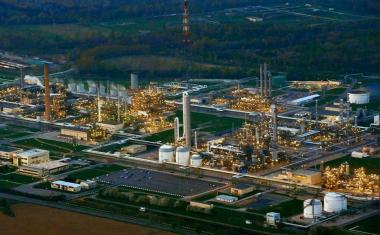
Building on the April 2025 announcement, Dow will take actions across its three operating segments to support European profitability, resulting in the closure of sites in Germany and the UK.
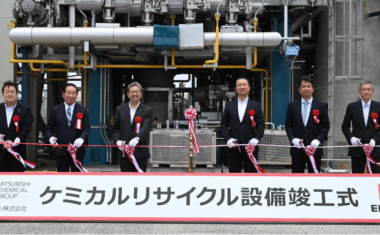
ENEOS and Mitsubishi Chemical have completed their chemical recycling facility at Mitsubishi Chemical’s Ibaraki Plant in Kamisu City, Ibaraki Prefecture, Japan.
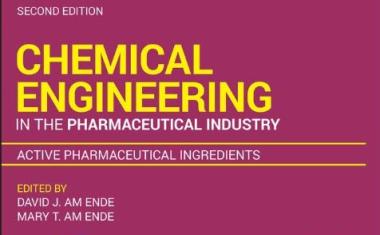
Chemical Engineering in the Pharmaceutical Industry: Active Pharmaceutical Ingredients, 2nd Edition, David J. am Ende (Editor), Mary T. am Ende (Editor); Wiley April 2019; 1,168 pages, $367,95; ISBN: 978-1-119-28586-1
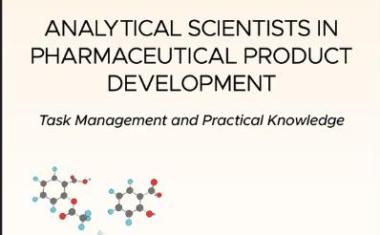
This book explains task management concepts and outlines practical knowledge to help pharmaceutical analytical scientists become productive and enhance their career.
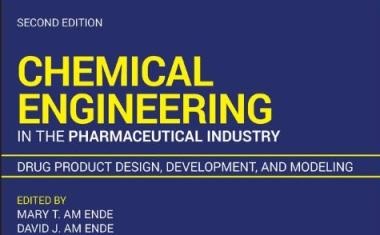
A guide to the important chemical engineering concepts for the development of new drugs, revised second edition
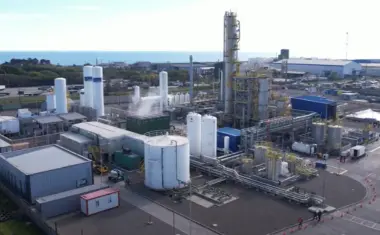
Peróxidos do Brasil, a joint venture between Solvay and Produtos Químicos Makay (PQM), announces a new strategic investment in its production unit in Chile.

A comprehensive guide for developing and implementing ESG strategies that propel sustainable growth and enhance corporate responsibility
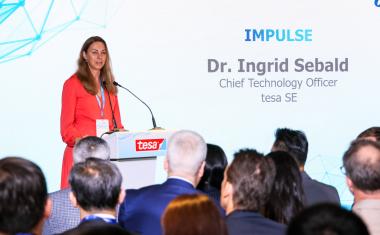
With a modern laboratory, German adhesive tape technology specialist Tesa is laying the foundation for adhesive solutions of the future.

Go-to guidance for designing, implementing, and managing effective sustainability programs and their management systems

Practical book showing professionals the “what to dos” and “how to dos” for effective safety leadership

Discover how to overcome a culture of inadequately addressing risk and thereby achieve safe working practices from a leader in the field.

Sika has acquired Gulf Additive Factory in the State of Qatar. The company manufactures a wide range of construction chemical products.

AkzoNobel has signed an agreement to sell its shareholding in AkzoNobel to the JSW Group, one of India’s leading diversified conglomerates.