Asahi Kasei: Lower Power Consumption Technology for the Chlor-Alkali Industry
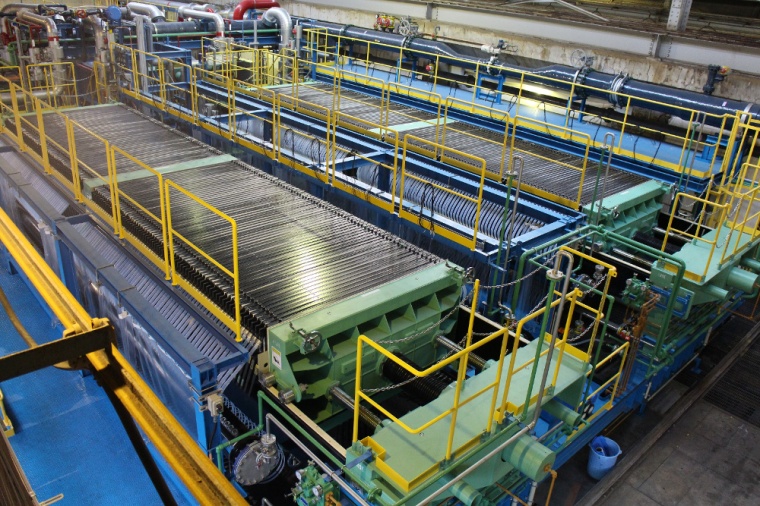
In 1975, Asahi Kasei began the first commercial chlor-alkali production using the membrane electrolysis process. This industrial process for the electrolysis of sodium chloride, used to manufacture caustic soda and chlorine, works without using hazardous material and with lower energy consumption than comparable processes.
Since, Asahi Kasei has strived for technical leadership in the world-wide chlor-alkali industry in the constant developments of membrane electrolysis technology, including the Aciplex-F perfluorosulfonic acid membrane, and the Acilyzer electrolyzer with operation technologies.
Recently, Asahi Kasei showcased the newly developed membrane grade Aciplex F7001X, an energy saving innovation which is to meet the customers’ strong requirements for lower power consumption in the chlor-alkali industry. The innovation will be evaluated in the market in the coming months.
More than 130 plants with combined production capacity of over 25 million t/y of caustic soda are operated today based on the Asahi Kasei chlor-alkali process technology.