From Attendee to Leader: How Women in Chemicals Is Shaping the Next Generation of Industry Leadership
What does it feel like to finally walk into a room where you belong? Vera-Maria Pitot on how Women in Chemicals is reshaping leadership — and why the impact must go far beyond one week a year.
When I walked into my first Women in Chemicals (WIC) conference in Houston, I arrived as an attendee. I was there to listen, learn, and see whether this community felt different from the many industry events I had experienced before. By the time I joined the second conference in Chicago, my role had changed. I was now part of the Women in Chemicals Leadership Team. I was responsible for engaging sponsors who fund WIC’s programs and helping create the environment I had benefited from in Houston. Seeing the conference from both the audience and behind the scenes on the leadership team has reshaped how I think about leadership in our industry.
A Different Kind of Room
At most chemical industry events, we connect with people transactionally with the objective primarily of moving a sale forward. The WIC conference is different. It is a space to connect, learn, and build a sense of shared purpose for the industry. At many traditional events, men occupy most of the seats. At Women in Chemicals, that dynamic is reversed. You walk into a room where women fill most of the chairs, and the men allies who are present stand out rather than being the default.
That shift changes the conversation. In Houston, women spoke openly about topics that rarely surface at traditional conferences. These topics included career breaks, being the “only one” at the table, navigating bias, and balancing commercial responsibility with family life. The conversation was grounded in real decisions and trade-offs that women overwhelmingly are forced to make every day.
In Chicago, I had greater visibility into the production process of the Conference as a Leadership Team member. I saw how intentional creating that atmosphere and the opportunity to facilitate these important conversations is. Psychological safety does not happen by chance. It is meticulously curated by who is invited on stage, how panels are moderated, and how honest and vulnerable dialogue is encouraged and facilitated. My intention in attending the conference moved from “What can I get out of this?” to “What can I support in enabling everyone in this room?”
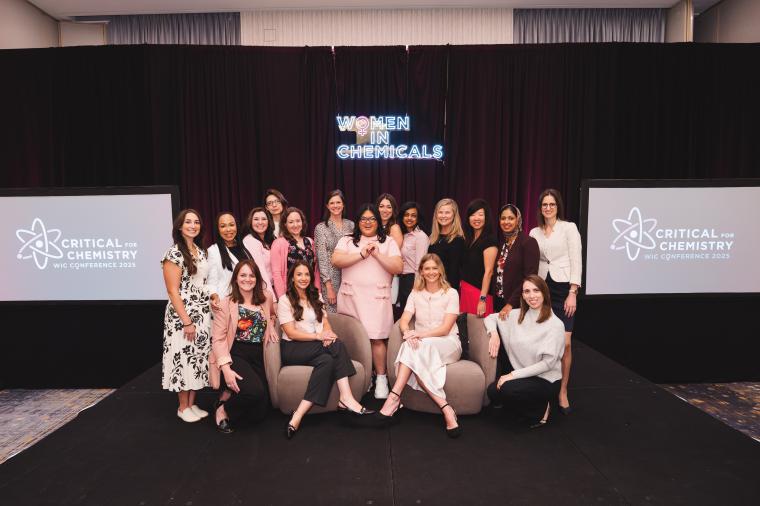
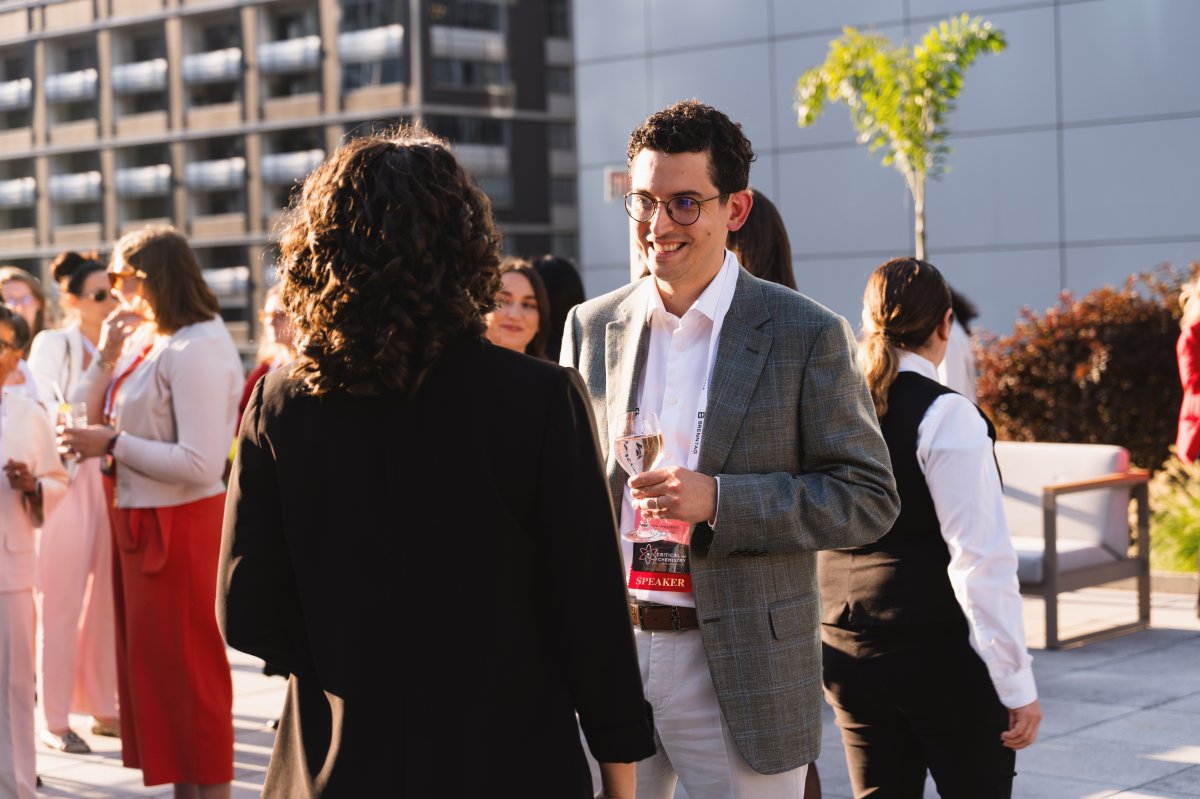
The WIC conferences have changed how I show up as a leader in the broader industry. The openness I experienced at WIC encouraged me to share more reflections on leadership, sponsorship, and career progression on LinkedIn. I didn’t expect what came next, including private messages from women saying a post resonated or that it helped them feel less alone. That feedback reminded me that visibility can be an act of service. When we speak with clarity and generosity, we make the path feel more accessible and help others believe there is a place for them in this industry.
Value for Attendees and Organizations
One theme that particularly resonated in Houston was leading through ambiguity. A speaker framed it simply: start with what you can control, then consciously choose your perspective on everything else. This landed at a time of restructurings, shifting markets, and pressure to do more with fewer resources. The message was not about pretending to have certainty, but about disciplined focus:
- What can I decide today?
- Where can I create clarity for my team?
- How can I look at constraints from a different angle?
I have carried that approach back to my own organization and into my work with Women in Chemicals. The ambiguity hasn’t gone away, but my response to it has changed. I’m more deliberate about pausing, identifying what I can influence, and translating uncertainty into a small set of clear next steps. By not spending energy on factors I can’t change, I’ve become more focused on my actions. That focus has translated into faster decisions, cleaner execution, and simply getting more done in less time.
"By not spending energy on factors I can’t change, I’ve become more focused in my actions."
The most enduring value of these conferences are the relationships that continue afterwards. In Houston, a talk by Julia Hanft, General Counsel of Wego Chemical Group on navigating board politics stayed with me. She spoke candidly about influence, timing, and how to frame difficult messages in senior forums. I approached her after the session, and we stayed in touch. Today, Julia is someone I call when I am preparing for politically sensitive discussions. She is a senior voice outside my own company who understands both the context and the stakes and makes herself available to lend support to me when needed. This is a connection I would not have had without this forum.
Another example is Svjetlana Jerkovic, Global Procurement Head of Raw Materials at ICL Group. We first connected as peers at WIC and quickly realized we shared similar views on leadership and sponsorship. Over time, we moved from occasional conference conversations to active collaboration inside Women in Chemicals, and she has since joined the board. It is a good illustration of how a conference encounter can grow into shared impact. These are not “contacts” in a superficial sense. They are people I rely on when I need perspective, challenge, or partnership. The WIC Conference has given me access to these women, and the access has allowed me to grow and expand my impact.
From the Leadership Team side, I also see how sponsors engage and how much difference it makes when they truly lean into the WIC community. Our strongest partners, including Brenntag, Jungbunzlauer, Bakelite and Koppers, do more than place a logo. They deliver real impact through thought leadership from their speaker circuits, nominate engaged mentees and mentors, actively participate in sessions, and amplify internal visibility to what their people bring back from the WIC Conference. The impact is concrete. These organizations have stronger talent pipelines as women gain exposure and development beyond their own employer, higher engagement because employees see that their growth is taken seriously, and stronger employer brands for early- and mid-career talent choosing where to build their future. Sponsors who actively participate extract far more value because they choose to fully leverage the platform they have enabled.
Women in Chemicals Conference 2025
Join hundreds of women throughout our global industry who will gather at the third Annual conference on September 12-14 in Miami, Florida, US.
Register Now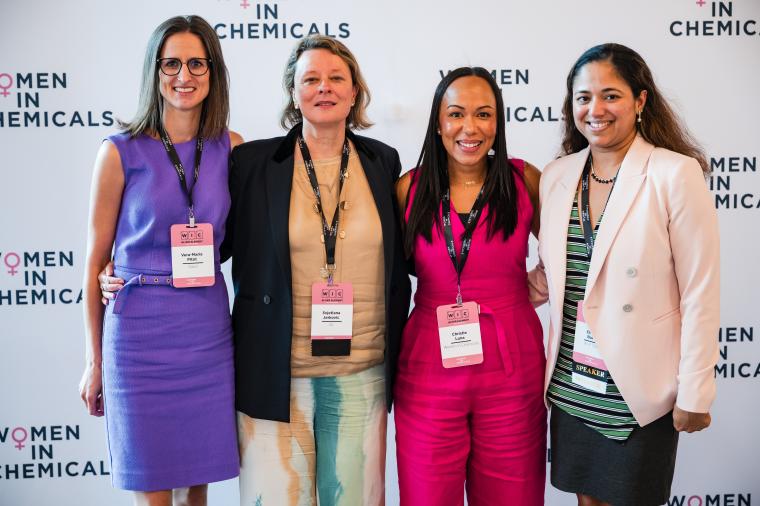
Beyond “Once a Year”
The WIC conference lasts three days. The rest of the year we go back to professional settings where women are again the vast minority. After Houston and Chicago, that contrast felt sharper. I carried the memory of a space where women set the tone and men showed up as allies back into my usual, male-dominated meetings.
It left me with a few simple questions I now ask myself and that other leaders should too:
- How can I bring some of this openness and psychological safety into my everyday meetings?
- Which women am I actively bringing into key conversations?
- Am I treating the WIC Conference as a one-off inspiration, or as part of a real strategy to develop and promote women?
The companies that benefit most from WIC do not leave the experience at the conference. They use it as a catalyst to change the rooms women walk into all year long.
"For the industry, I want to see a much more balanced participation of women across the entire chemical value chain."
When I think about the next five to ten years, my aspirations are clear. For the industry, I want to see a much more balanced participation of women across the entire chemical value chain. These women should be empowered and confident that their gender does not limit what they can achieve. We need that visibility in more women holding P&L responsibility, leading technical organizations, and sitting on boards. For Women in Chemicals, I see continued global reach and deeper, long-term partnerships with key players in every region. We aim to serve women at all career stages, from students deciding to pursue a career in the chemical industry to board level leadership. For my own contribution, I want to keep building the sponsorship function into a truly global engine, with team members on all major continents. Our commitment is to keep our core programs, especially our beloved mentorship program and webinars, free of charge for members. Only the in-person annual conference is a paid exception, so that women’s access to resources that improve their professional lives is never determined by budget.
Houston showed me what it feels like to walk into a room where you finally belong. Chicago showed me what it means to help create that room for others. My hope is that we carry that standard back into our companies and boardrooms and do not save it for just one week a year.
About the Author
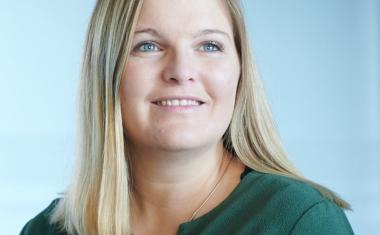
Vera-Maria Pitot serves on the Leadership Team of Women in Chemicals as Sponsorship Chair, heading the corporate sponsorship function. With 17+ years in the chemicals and related industries, she also leads Commercial Excellence for the Advanced Polymer Solutions business at LyondellBasell. A multilingual German and mother of two based in Houston, she brings a global and strategic perspective to commercial performance, inclusion, and leadership in the chemical sector.