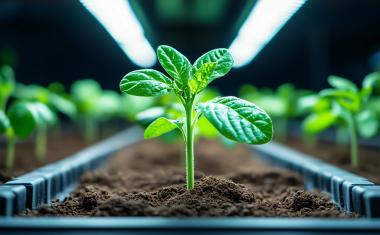
Phytoinitiator mRNAs as a Game Changer in Agriculture
Unlocking nature’s resilience: phytoinitiator mRNAs empower plants to thrive in deserts, saline soils, and harsh climates—no gene editing required.


Unlocking nature’s resilience: phytoinitiator mRNAs empower plants to thrive in deserts, saline soils, and harsh climates—no gene editing required.
How Sustainable Innovation Can Drive Inclusive Growth in Latin America and the Caribbean
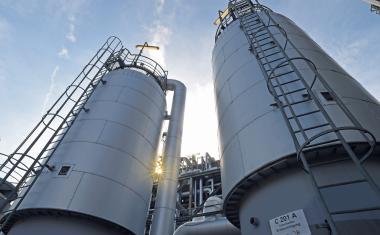
BASF produces the renewable ammonia grades at its Verbund site in Ludwigshafen.

Thermal hoods, boxes, cooling elements, data loggers: Ecocool supplies suitable equipment for GDP-compliant transportation of temperature-sensitive pharmaceuticals.

A new approach is helping reduce waste, recover value, and deliver on sustainability goals.
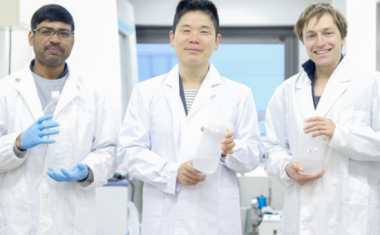
AC Biode developed a diverse portfolio of products based on chemical technology designed to provide more sustainable alternatives to conventional practices.

The Global Impact Coalition (GIC), a collaborative platform led by CEOs and focused on achieving a net-zero chemicals future, has announced the addition of Moeve as its newest member.

The Indian, woman-led startup Coco Custo is pioneering more sustainable cleaning solutions with its biodegradable laundry detergent and other eco-friendly cleaning powders. Formulated primarily from plant-based ingredients and minerals, including organic oils and coconut, Coco Custo’s products are non-toxic, hypoallergenic, and free from harmful chemicals.
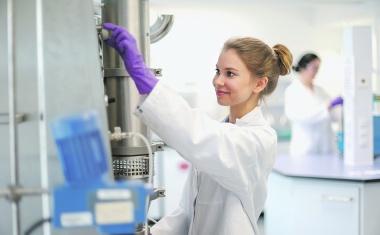
Valerie Diele-Braun, CEO of IMCD, shares her vision for sustainability, global expansions, and strategic direction in an exclusive CHEManager International interview.
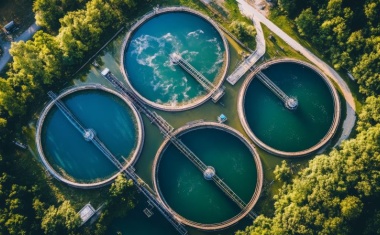
Global water scarcity is now urgent due to climate change, population growth, and unsustainable practices. 700 million people could be displaced by 2030, warns UNICEF, especially in water-intensive industries like personal care, textiles, food production, and paint.
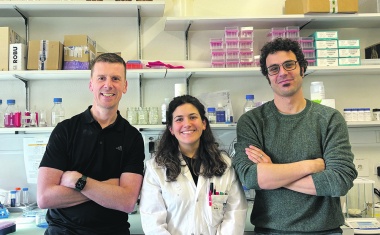
Inseit, based in Bern, develops biocatalysts for industrial setups using enzyme immobilization and biocomputation. Addressing biotech and sustainability challenges, Inseit was selected for Venture Leaders Biotech and won two Nucleate accelerator prizes.
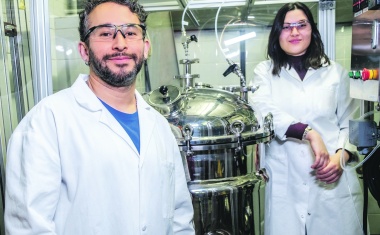
Porelio's FOMS adsorbents target PFAS, metals, and genotoxins, outperforming commercial solutions with unmatched selectivity, innovation, and sustainability.

The EU Green Deal has hurt Europe's industry. The Clean Industrial Deal aims to improve this, but a change of mindset at the Commission is needed.
The chemical industry is shifting to sustainability-related products, with demand growing 4.5 times faster than conventional ones. Companies must revise their market strategies to capitalize on this opportunity.

The versatile material polymethyl methacrylate (PMMA) is particularly impressive due to its durability and outstanding recyclability.
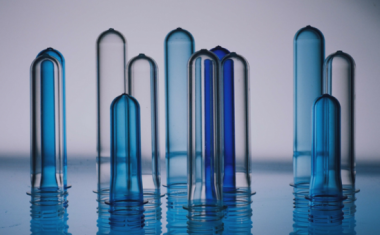
Dutch start-up Mavisol has developed an innovative machine vision and AI solution designed specifically for plastic converters, with the aim of promoting environmental sustainability and improving material reuse efficiency.

Plastics Europe strongly supports the European Commission's competitiveness and decarbonization agenda and welcomes the Clean Industrial Deal.
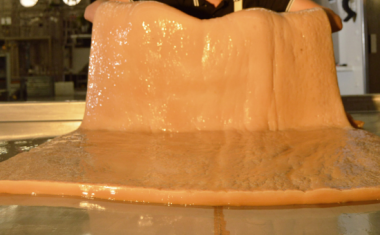
Mexican start-up Polybion produces a cell-based leather alternative named Celium, a versatile material made out of bacteria-grown cellulose, that can be dyed and formed into different textures.
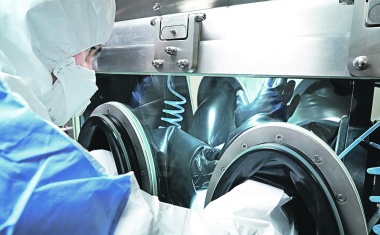
The Italian Olon Group, a leading international supplier of active pharmaceutical ingredients (APIs), presents the 2023 Corporate Sustainability Report and confirms the sustainability journey toward energy transition, investments in alternative energy sources, social and economic involvement and support for the communities in which it operates
In 2024, the chemical distribution industry is at a pivotal moment, navigating both challenges and new opportunities.

The EU's Corporate Sustainability Due Diligence Directive (CSDDD) is reshaping the chemical industry's approach to environmental and social responsibility. A close look at the requirements reveals significant changes to supply chain oversight, risk management, and sustainability reporting. Chemical companies must implement new strategies to ensure compliance, drive innovation, and adapt to evolving regulations.
The path to a sustainable, net-zero future for the chemical industry is paved with challenges – and also opportunities.

Dorothee Arns, Director General of FECC, discusses current challenges, market trends and her vision for the chemical distribution industry in Europe.
Today, economic success is defined by a different perception and practice of supply capability and supply security. This applies not only to the European trade with chemicals but to the entire chemical value chain.
The path to a sustainable, net-zero future for the chemical industry is paved with challenges – and also opportunities.
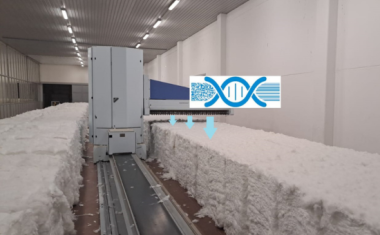
DNACotton is a female-led start-up from Türkiye that has developed a blockchain-based labeling and traceability system for textiles. The solution allows for reliable monitoring and analysis of materials, from fiber production to customer delivery.
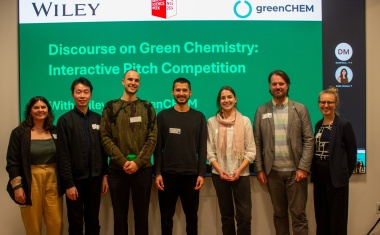
The Discourse on Green Chemistry Interactive Pitch Competition, held on November 5, 2024, at Wiley's Berlin office as part of Berlin Science Week, showcased a range of innovative projects aimed at addressing critical environmental challenges.

The female-led Swedish start-up Renasens has developed a clean, waterless recycling technology that transforms textile waste into valuable new resources.

Röhm Strives for Global Technology Leadership as a Methacrylate Specialist.
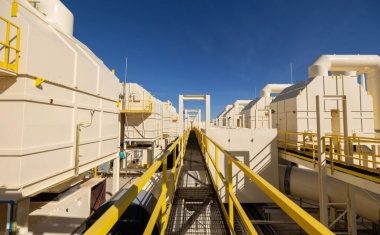
Solvay has inaugurated its regenerative thermal oxidation (RTO) process at its US plant at Green River, Wyoming. The innovative emissions control technology, which Solvay claims is the first of its kind in the trona mining industry, is expected to help reduce greenhouse gas emissions at the plant by up to 20% annually and achieve a 4% reduction in emissions at group level by 2025.
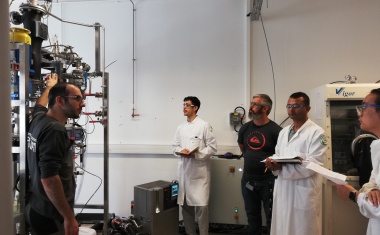
Carbon Waters recently reached a major milestone with the installation of its first production unit at its facility in Pessac.
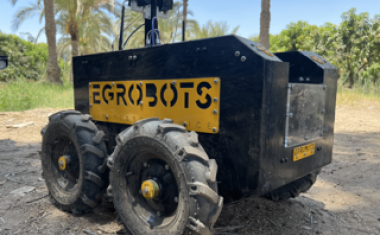
Egrobots, a start-up from Egypt, developed a solution for efficient farm monitoring and management using AI and robotics. Their innovation includes an autonomous robot, that roams around the farm, scanning the plants on a leaf-level with high resolution and an AI that analyses this data.
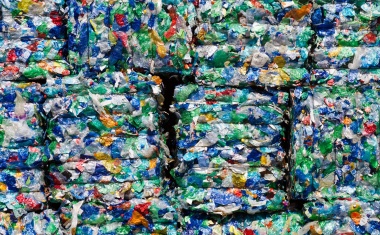
US green technology firm LanzaTech has signed an agreement with Sekisui Chemical to deploy, at commercial scale, a jointly developed platform that converts syngas derived from municipal solid waste (MSW) and industrial solid waste into ethanol. Sekisui intends to build multiple facilities in municipalities across Japan which incorporate equipment packages, engineering and advisory services, consumables, and intellectual property provided by LanzaTech, the companies said.

The Ghanaian start-up Theseus Development produces an alternative material to cement-based concrete for the building industry called “geopolymer”. Not only is the material produced from the mineral that occurs in great abundance in the earth's crust as well as industrial waste, but the production process does not emit carbon dioxide either.
Clariant and OMV today announced their intended collaboration for lower carbon footprint ethylene supply. To address growing demand for sustainable options in Europe, this partnership will help both companies meet their sustainability targets and support their customers' carbon reduction strategies.