

Oxygen Measurement in Inerting and Tank Blanketing
Why the Right Measurement Technology Defines Safety, Quality, and Efficiency
In inerting and tank blanketing, oxygen concentration plays a central role in the safety, product quality, and cost-effectiveness of processes. While inert gases such as nitrogen reliably reduce explosion risks and protect sensitive products from oxidation, only precise and continuous oxygen measurement determines whether the desired conditions are actually achieved and permanently maintained. Modern measurement technology not only enables effective explosion protection but also helps optimize inert gas consumption, purging times, and operating costs. This article demonstrates why proper oxygen monitoring is far more than just a safety measure and explores the role that innovative sensor technologies and thoughtful process integration play in efficient plant operation.
Oxygen Measurement in Inerting and Tank Blanketing: Why the Right Measurement Technology Defines Safety, Quality, and Efficiency
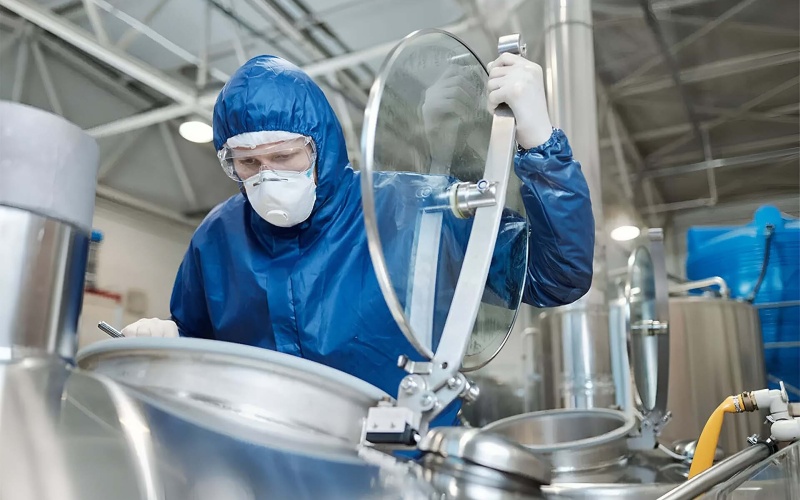
Whether in reactors, centrifuges, dryers, tank farms, or filling plants: inerting is an established process in the chemical industry used to reduce explosion risks, protect oxidation-sensitive products, and ensure stable process conditions. However, the decisive factor is not just the supply of inert gas, but rather reliable information on whether the required oxygen concentration in the process is actually reached and consistently maintained.
In practice, inert gas is often dosed conservatively. Without continuous oxygen monitoring, this leads to unnecessarily high inert gas consumption, longer purging times, and avoidable downtime. Conversely, inadequate monitoring can jeopardize both product safety and explosion protection. A continuous O2 measurement therefore makes it possible to specifically balance safety, quality, and economic efficiency.
Not All Inerting is the Same
Technically, a distinction must be made between partial and total inerting. In partial inerting, the oxygen concentration is reduced to a level safely below the system-dependent limiting oxygen concentration. In total inerting, the proportion of inert gas is so high that even if air enters, an explosive mixture cannot form. Which strategy is suitable depends on the material system, process management, and safety concept.
One essential point for operators: the permissible oxygen concentration is not a fixed standard value. It depends on the medium, temperature, pressure, and type of inert gas, and must also be defined with safety margins to account for fluctuations, measurement deviations, and reaction times.
Measurement Creates Safety – and Reduces Costs Simultaneously
Continuous oxygen measurement is much more than just proof of safety. It acts as an early warning system, enables defined alarm strategies, and supports stable process control. At the same time, economic advantages arise: nitrogen can be regulated based on demand, purging processes can be shortened, and batch changes can be accelerated. Especially with large volumes and frequent inerting cycles, measurement technology becomes a relevant cost driver or a lever for savings.
Practical Solution: The Overall System is Decisive
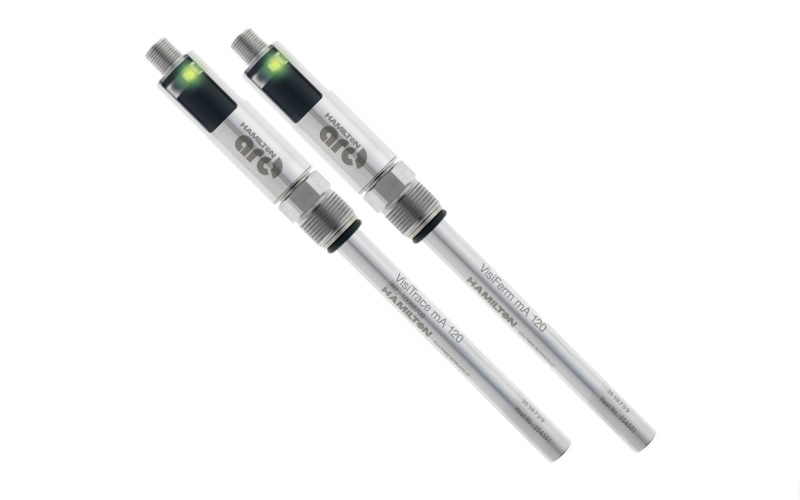
In practice, it is evident that it is not just the measurement principle that counts, but the interplay between sensor technology and integration. Robust, low-maintenance solutions are particularly in demand for challenging processes.
Optical oxygen sensors offer clear advantages here: they enable fast, low-drift, and continuous measurement even at low concentrations and significantly reduce maintenance efforts.
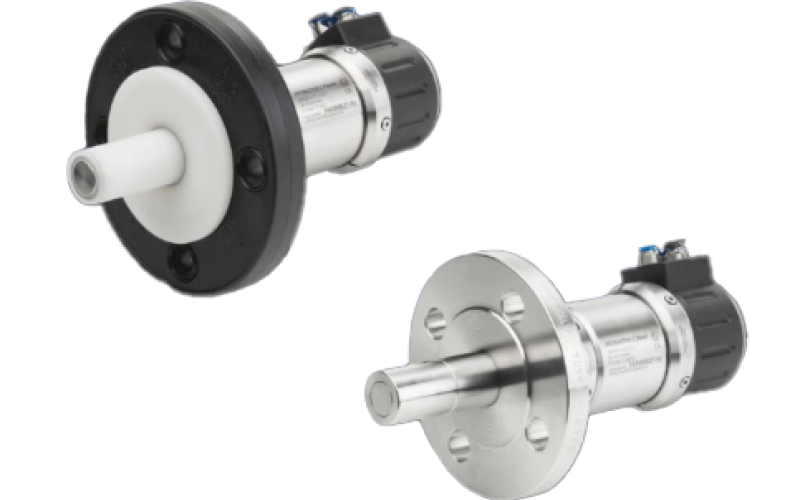
A further decisive success factor is integration into the process. Modern retractable housings allow sensors to be installed and removed during ongoing operation without plant downtime. This increases availability and safety, particularly in critical applications.
The combination of optical measurement technology and appropriate process integration thus creates a robust and economical solution for inerting applications.
Conclusion
Safe and efficient inerting requires continuous, reliable oxygen monitoring. The holistic design of the measuring point is the decisive factor.
By considering measurement technology, installation concepts, and process requirements together, operators can increase safety, product quality, and efficiency in equal measure.
Company
Hamilton AGVia Crush 8
7402 Bonaduz
Switzerland








most read

LomaChelateX: Real Mineral Bisglycinates – Join our Webinar
Mineral Bisglycinates are currently attracting a great deal of interest. Superior bioavailability and tolerability are the main benefits.