Venator to Shut Pori Pigment Plant
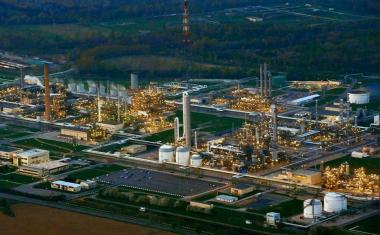
Venator, currently in talks with Tronox to buy the Ashtabula TiO2 plant in the US, said it will permanently shut its pigment plant in Pori, Finland. The 130,000 t/y plant, at the time owned by Venator’s predecessor Huntsman, was damaged after a fire on Jan. 30, 2017.
The closure, said Venator, was down to escalating costs and the extended time now needed to reconstruct the facility. Instead, the company will transfer roughly 45,000 t/y of the specialty and differentiated grades produced at Pori to other sites within its network.
During the transition, which is expected to last through 2021, Pori will continue to operate at a rate of approximately 25,000 tonnes/year, or about 20% of the site’s capacity.
Simon Turner, Venator’s president and CEO, said the decision to close was made following an “intense” review. “Closing the site is the best decision for the long-term success of our business, as we expect to restore the majority of our specialty and differentiated earnings formerly generated by Pori, using our existing facilities. We also believe doing so will preserve our financial flexibility and improve our ability to deliver free cash flow throughout the cycle.”
In total, Venator will spend about $150 million to upgrade certain of its other facilities, which it said will become more efficient with greater flexibility. The company did not disclose which plants will be upgraded.