US Officially Announces Paris Accord Exit
The US officially informed the United Nations on Aug. 4 that it will withdraw from the Paris Accord. However, it said it would continue to participate in the UN’s climate change meetings during the withdrawal process, due to end on Nov. 4, the day after the 2020 US elections.
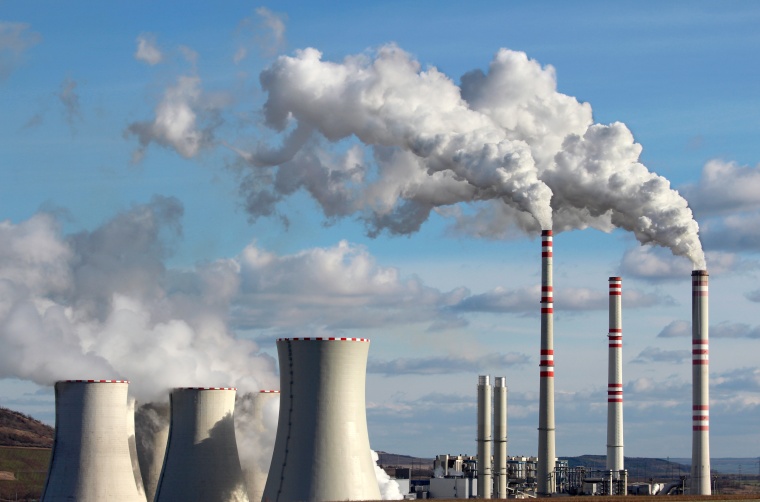
Under the Accord, the country would have been obliged to slash its greenhouse gas emissions by as much as 28% against 2005 levels by 2025.
In a press release, the State Department said the US supports a “balanced approach to climate policy that lowers emissions while promoting economic growth and ensuring energy security."
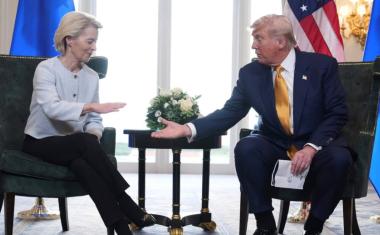
Announcing the decision to withdraw on Jun. 1, President Donald Trump said he hoped to renegotiate the US role in the agreement, which he claimed would cost the country “trillions of dollars” as well as killing American jobs in fossil fuels industries.
Leaders of major American companies, including DOW Chemical CEO Andrew Liveris and DuPont CEO Ed Breen, published an open letter to Trump in the business newspaper Wall Street Journal, urging him not to pull out. On World Environment Day, Jun. 5, more than 1,200 US mayors, companies, university presidents and state governors announced the creation of a US Climate Alliance supporting the treaty.