US Merck Fails to Transfer all Talc Liability to Bayer
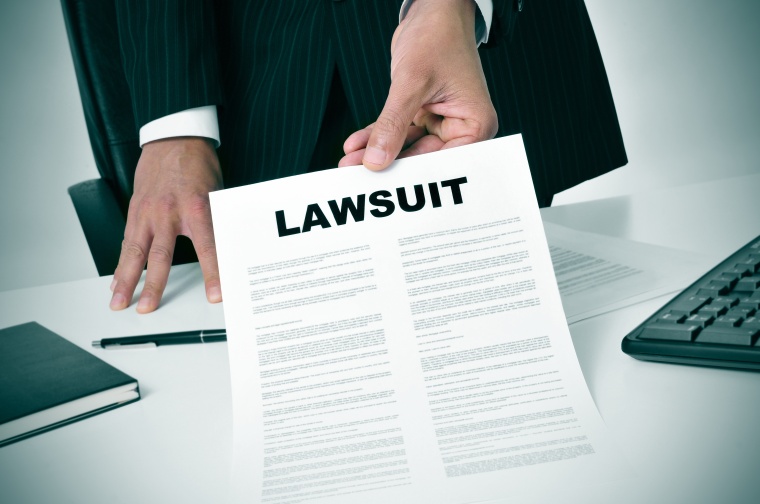
A move by US drugmaker Merck & Co. to have Bayer assume all liability for lawsuits alleging that the talc-based Dr. Scholl's foot powder causes cancer has failed, at least in the first instance.
The powder is one of a cornucopia of products US drugmaker Merck & Co. transferred to Bayer in 2014 as part of a $14.2 billion consumer healthcare asset sale.
The Chancery Court of the US state of Delaware rejected Merck’s lawsuit against Bayer, saying that the purchase agreement "clearly and unambiguously" leaves the US drugs giant liable for claims related to any of the products it marketed before the transaction closed.
Together the two companies face litigation potentially worth billions of dollars, similar to the situation Johnson & Johnson faces over claims that its talc-based baby powder causes cancer. J&J’s plan to transfer the claims to a subsidiary that would then go bankrupt also failed in court.
Insisting that its responsibility for any claims against the foot powder ended on Oct. 1, 2021, seven years after the transaction closed, Merck & Co. sued Bayer for refusing to assume liability for claims that pre-dated its ownership.
In his decision, Judge Nathan Cook said Bayer's interpretation of the purchase agreement was "the only reasonable one” and suggested that Merck’s move could be an attempt to prolong or stall lawsuits.
In his 37-page decision, the judge said no terms of the 2014 agreement indicated that the parties intended to have Bayer assume liability for the period during which Merck formulated and marketed the products in question.
Legal experts commenting on the dispute said Merck & Co.'s seven years argument stems from one provision in the agreement that liability obligations would survive through the seventh anniversary of the deal’s closing. However, in another section of the contract the US company had agreed to retain liability for claims against products sold before closing.
Merck & Co., which acquired Dr. Scholl’s products in 2009 in its $41.1 billion merger with the now defunct Schering-Plough, has said it will appeal the Delaware decision.
Author: Dede Williams, Freelance Journalist