U.N. Body To Probe Fukushima Radiation Impact
A U.N. scientific body said on Monday it would study the radiation impact of Japan's nuclear disaster on people and the environment, but it did not expect to detect any major health effects.
The United Nations Scientific Committee on the effects of Atomic Radiation (UNSCEAR), which has published reports about the 1986 Chernobyl accident, said it would take at least two years to produce a full report on the issue.
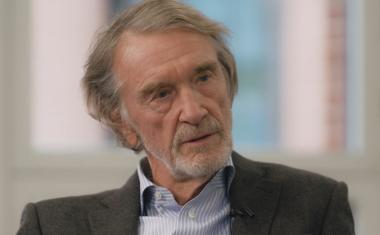
"Everybody wants answers tomorrow or next week ... but this is not possible. We need time," UNSCEAR Chairman Wolfgang Weiss told a news conference, adding that preliminary findings were expected in May 2012.
"So far what we have seen in the population, what we have seen in children with thyroid screening, what we have seen in workers ... we wouldn't expect to see health effects," he said.
The U.N. committee groups scientists from 21 countries. Weiss said experts would "provide scientific insight on the magnitude of the releases to atmosphere and to the ocean, and the range of radiation doses received by the public and workers."
Engineers are battling to plug radiation leaks and bring the plant northeast of Tokyo under control more than two months after a 9.0 magnitude earthquake and deadly tsunami on March 11 that devastated a swathe of Japan's coastline.
After Chernobyl, where a reactor exploded and caught fire and radiation was sent billowing across Europe, several thousands of children developed thyroid cancer due to exposure.
Weiss said the number of people affected by the Fukushima disaster was much smaller than at Chernobyl. People living within a 20 km (12 mile) radius of the plant have been evacuated.