Syngenta Closes Cropio Buy
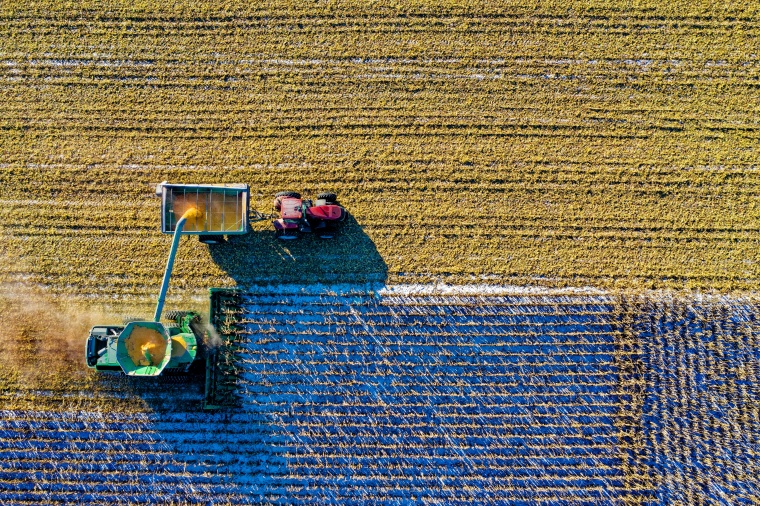
Syngenta has completed its acquisition of the Cropio Group, gaining access to a technology platform that allows farmers to monitor their crops and field operations. The Swiss agrochemicals giant said approximately 10 million hectares of crops are currently managed using Cropio software.
“This acquisition marks a turning point in Syngenta’s digital strategy for agriculture. Cropio is a leading player in the Eastern European digital agriculture market, and Syngenta is gaining a hub for Ag Tech innovation in Europe that will help increase farmer sustainability, productivity, efficiency and profitability,” said Syngenta’s chief information and digital officer Greg Meyers. “We anticipate significant opportunities for collaboration across the other Syngenta digital assets.”
Syngenta said it is now the only agricultural company to have access to leading management platforms in the top four agriculture markets: USA with Land.db, Brazil with Strider, China with the Modern Agricultural Platform and now eastern Europe with Cropio. The Swiss group added that, combined, more than 40 million hectares globally will now be managed using a Syngenta digital tool, with plans to double that by the end of 2020.
Financial terms of the transaction were not disclosed.