Saudi Groups SIIG and Petrochem Propose Merger
Saudi Industrial Investment Group (SIIG) and the National Petrochemical Company (Petrochem) have signed a non-binding Memorandum of Understanding (MoU) to assess the economic feasibility of a merger between the two firms.
The transaction would be implemented through a share exchange offer with Petrochem's shareholders receiving 1.27 shares in SIIG in exchange for each Petrochem share. If the deal goes through, Petrochem’s shares will be de.listed from the Tadawul and it will become a wholly owned subsidiary of SIIG.
A merger remains subject to regulatory approvals, as well as approval by each company’s shareholders.
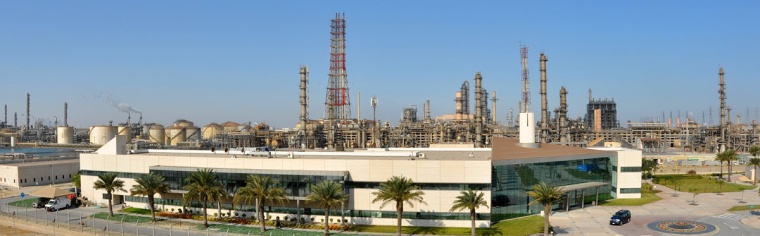
The companies have talked twice before about a merger. They entered discussions last year, but had previously talked as far back as 2011, when in June of that year both companies said they would postpone such a move until at least end 2011 when a joint venture started production. That jv is Saudi Polymers, a partnership between Petrochem and Chevron Phillips Chemical. Petrochem owns 65% in Saudi Polymers, while SIIG also owns 50% of Saudi Chevron Phillips and Jubail Chevron Phillips.
Author: Elaine Burridge, Freelance Journalist