Sabic to Upgrade UK Cracker to Process Ethane
Sabic has joined the growing list of petrochemical producers upgrading their facilities to enable processing of ethane-based light feed in the wake of the US shale gas boom.
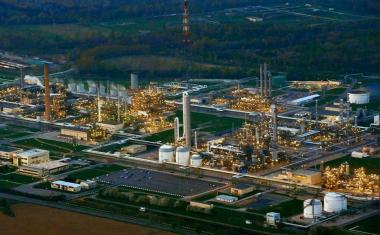
The Saudi plastics giant said it will complete the modification of the cracker at its UK Teeside site by 2016. Built in 1979, the facility has capacity for more than 850,000 t/y of ethylene and around 400,000 t/y of propylene. Downstream, it feeds a plant for 400,000 t/y of LDPE.
At nearby Port Clarence, work is already in progress on building a cryogenic tank as part of an import terminal for the ethane. To facilitate the conversion, the Saudi company has won funding worth more than £9 million from the UK's Regional Growth Fund (RGF)
Steve Elliott, chief executive of the British Chemical Industries Association (CIA) called the investment "highly significant," adding that "it shows great faith in the UK by one of the world's leading businesses."
Yousef Al-Benyan, executive vice president Chemicals at Sabic, said the project "reflects Sabic's strong determination to take advantage of cutting edge technology in creating new sources of competitive feedstock and energy that will allow the company to continue to build a sustainable business and deliver on its long-term vision"
Sabic employs 600 people directly and 400 contractors at Teesside.