SABIC Plans $100 Million China R&D Center
Saudi Basic Industries Corp, the world's largest chemical producer by market value, said it was planning to invest $100 million to build a technology research and development center in China.
The facility in the Shanghai region will house a total of about 400 employees when it is completed in 2013, the company said on Friday.
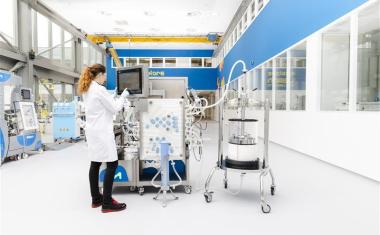
"In addition to commercial and corporate function staff, there is a research and development team of over 200 scientists and engineers, who will focus on advanced engineering plastics materials that can be used in a broad array of industries from automotive, personal electronics, IT, alternative energy, building and construction to infrastructure," SABIC said.
SABIC, 70% owned by the government of Saudi Arabia, makes chemicals, fertilisers, plastics and metals used in paint, rubber, textiles, leather, cleaning products, glass, food and other consumer industries.
In May, SABIC said it was strengthening its presence in the Asia by investing in two technology and innovation centers in China and India, both expected to be operational by 2013.