Qatar Petroleum to Take Yara’s Stake in Qafco
Qatar Petroleum has agreed to take Yara’s 25% stake in Qatar Fertiliser Company (Qafco) for $1 billion. The deal is conditional upon receiving regulatory approval as well as the usual closing conditions.
The agreement brings to an end a partnership that started with the establishment of Qafco in 1969 since when it has become the world’s largest single-site urea producer, accounting for a “significant” percentage of the world’s traded supply.
The remaining share of Qafco is owned by Industries Qatar, which in turn is owned 51% by Qatar Petroleum.
“We are delighted to have signed this agreement with Yara which will increase our effective share in Qafco,” said Saad Sherida Al-Kaabi, CEO of Qatar Petroleum and Minister of State for Energy Affairs. “This is another example of Qatar Petroleum’s successful implementation of its strategy of capacity and capability building and contributing to the robustness and development of the nation’s oil and gas industry.”
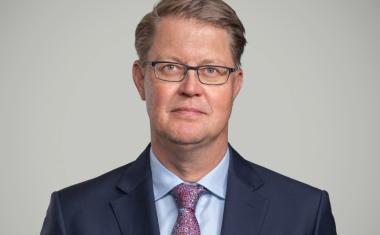
Yara’s president and CEO Svein Tore Holsether said that over the past half century, the partners have “succeeded in delivering a top quartile venture in every respect."
The Norwegian fertilizer company said that following closure of the transaction, it will evaluate potential extraordinary dividends and/or share buybacks, in line with its policy of maintaining a mid- to long-term net debt/EBITDA range of 1.5–2.0.