PFOA Added to Stockholm Convention POP list
The Stockholm Convention on Persistent Organic Pollutants has unanimously voted to add perfluorooctanoic acid (PFOA) to the list of substances to be eliminated under the 2004 agreement dedicated to reducing POPs.
The flouropolymers intermediate has been linked to various types of cancer, along with thyroid disease, ulcerative colitis and birth defects.
Under the Convention’s terms, governments must take steps toward ending production of the fluorchemical used in non-stick and state-resistant coatings and coolants, among other applications. Most participating countries will have 12 months to fully implement the rules; some have applied for additional time to amend their national statutes.
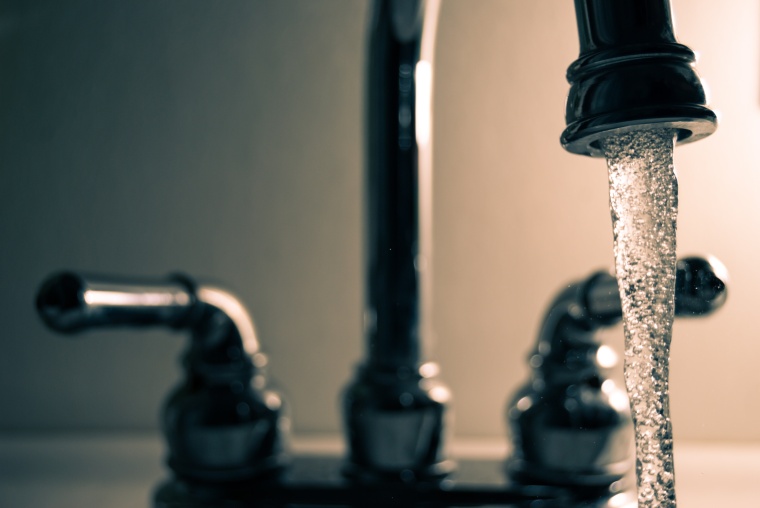
The US, which is not a party to the Convention, is a major users of fluorochemicals. While its two major producers have phased out PFOA as part of a nationwide plan established in 2006, residues in public drinking water continue to be a problem.
The Environmental Protection Agency (EPA) earlier tightened reporting limits for the substance in US drinking water supplies to 70 parts per trillion, but lately has been accused of dragging its feet on enforcing the limitations.
After an internal document was leaked in January, the agency came under intense criticism from Congress and the public, and reportedly has committed to publishing proposed maximum contaminant levels for PFOA and related substances by the end of this year.
Several bipartisan bills aimed at addressing water contamination have been introduced in Congress. Along with manufacturing plant discharges, for example at DuPont’s former Washington Works in West Virginia, fluorochemicals are seen to be leaching from landfills. Fire-fighting foam is seen as another source of PFOA contamination.
In 2017, DuPont and Chemours agreed to jointly pay $670.7 million in cash to settle out of court around 3,550 personal injury lawsuits related to discharges of PFOA from Washington Works.
Environmental authorities in Pennsylvania, which borders West Virginia, said they would begin taking water samples near the end of May in nearly 500 public water systems located within a half-mile of a potential source of contamination.
Contamination of water with PFOA or Gen X has been reported in a number of states on the US east coast. The Netherlands also has issues with Chemours for contaminating soil and water near a former DuPont flurochemicals plant at Dordrecht.