

OCP and Ethiopia in $3.7 Billion Fertilizer Project
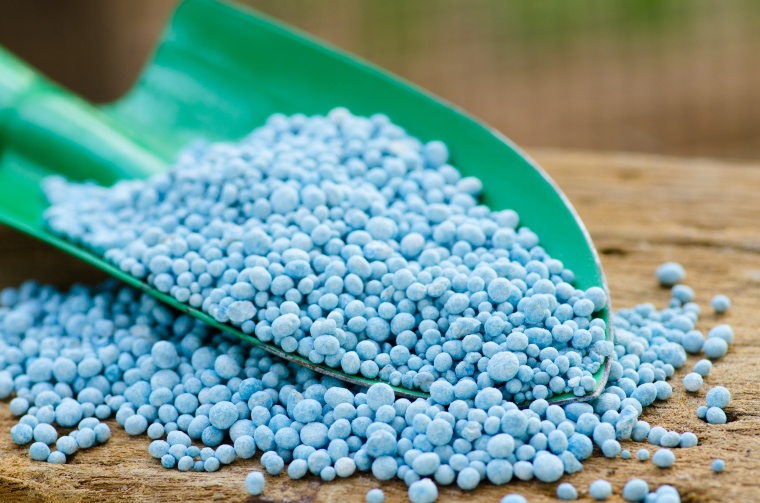
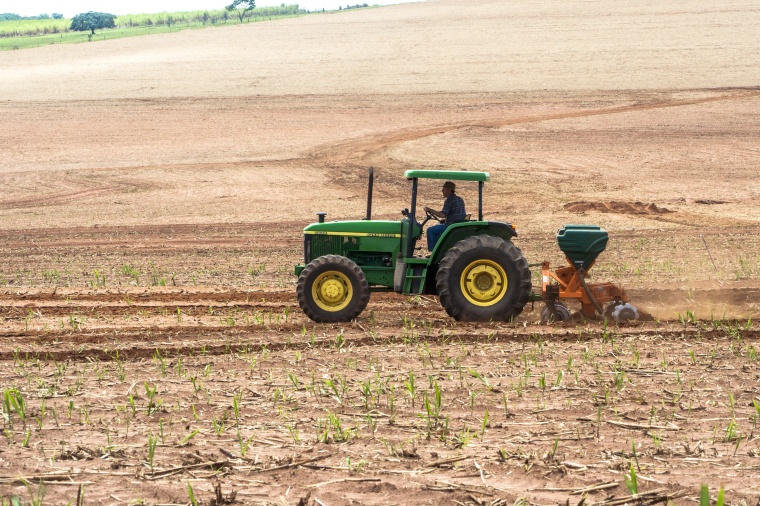
Leading phosphate exporter Office Cherifien des Phosphates (OCP) has signed an agreement with the Ethiopian Ministry of Public Enterprise to build a $3.7 billion fertilizer plant in the east African country. OCP, which is 95% owned by the Moroccan government, said the "game-changing partnership" is based on a common vision between Morocco and Ethiopia for sustainable agricultural development across Africa and reinforces economic ties between the two countries.
The first phase of the project will see $2.4 billion invested in a plant in Dire Dawa, 250 kilometers east of the capital Addis Ababa, to produce 2.5 million t/y of fertilizer. Start-up is slated for mid-2022. Part of the investment will also be spent on developing infrastructure at Djibouti harbor to handle the phosphoric acid imported from OCP in Morocco. Potash and ammonia feedstocks will be sourced from Ethiopia.
OCP said 60% of the first-phase investment will come from debt financing with the rest in equal shares from the two partners. A second-phase investment of $1.3 billion will be made to raise capacity to 3.8 million t/y by 2025. The plant’s output is expected to more than meet all of Ethiopia's fertilizer demand with the excess being exported, aided by a new railway line that will connect the plant to neighboring countries.
Ethiopia's agricultural sector is said to account for 45% of the country's GDP and 90% of its exports. According to the World Bank, Ethiopia is the second most populous country in Sub-Saharan Africa with GDP growth of 9.6% in 2015.




most read

VCI Welcomes US-EU Customs Deal
The German Chemical Industry Association (VCI) welcomes the fact that Ursula von der Leyen, President of the European Commission, and US President Donald Trump have averted the danger of a trade war for the time being.
BASF Sells Majority Stake in Coatings Business
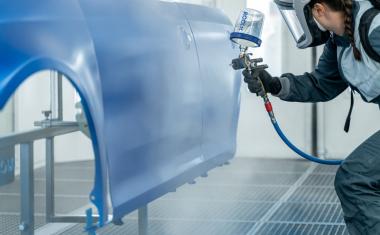
BASF sells a majority stake in its coatings business to the investor Carlyle.

CHEManager International Media Kit
Compelling solutions through strategic partnerships
Novo Nordisk to Cut 9,000 Jobs Globally in Major Restructuring
Novo Nordisk announced a global workforce reduction of approximately 9,000 positions to streamline operations and reinvest DKK 8 billion (€1 billion) in growth opportunities for diabetes and obesity treatments.