MOL Starts Biofuels Production at Danube Refinery
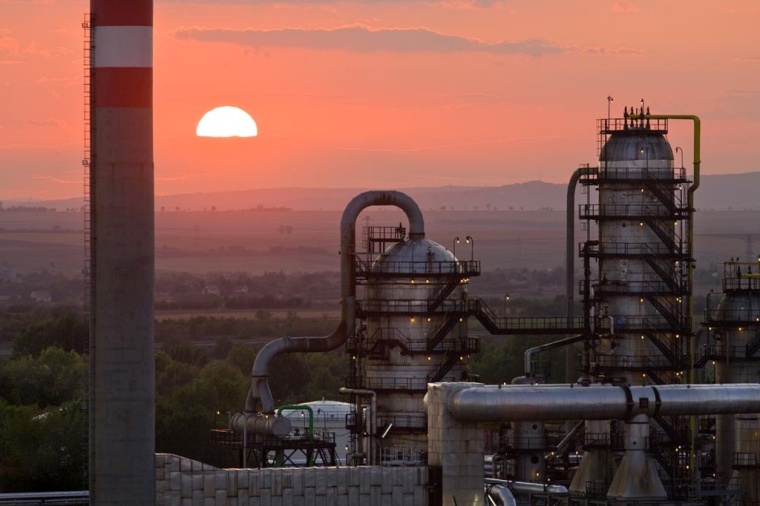
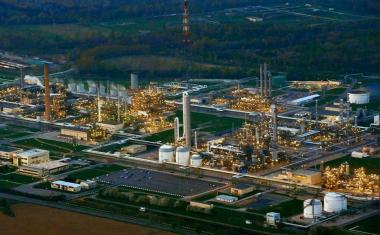
Energy and petchems group MOL has begun producing biofuels at its Danube Refinery in Szazhalombatta, Hungary, processing vegetable oils, used cooking oils and animal fats together with fossil fuel components to create more sustainable diesel. Over the next five years it plans to invest $1 billion in new, low-carbon and sustainable businesses to become a key player in the central and eastern European circular economy.
The gasoil generated in the production process is said to be partly renewable without any quality changes compared to diesel produced entirely from crude oil. The main advantage of this innovative method, MOL notes, is that the resulting biodiesel can be still blended with up to 7% of bio-feedstock based fuel, in line with diesel standards, thus further improving the renewable standard.
Over the course of the project, the Budapest-based group aims to gradually increase the share of waste and residue raw materials in the process, as well as lifting the share of renewable fuels and reducing as much as 200,00 t/y of CO2 emissions without negatively affecting fuel quality.
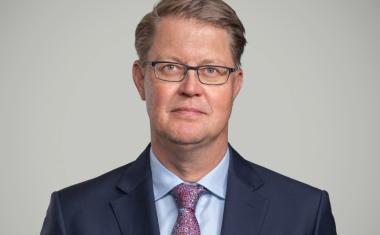
Up to now, MOL has been a biofuel consumer, purchasing more than 500,000 tonnes of bioethanol and biodiesel for blending. With the new investment it has become a biofuel producer itself, said Gabriel Szabó, executive vice president of MOL Group Downstream. The target is to produce more than 100,000 t of biofuel by 2030, as part of the group’s SHAPE TOMORROW strategy, he said.
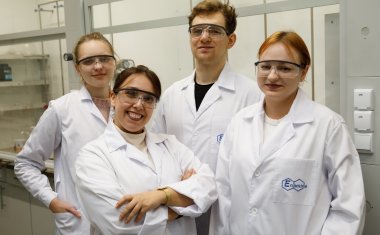
MOL started co-processing biofuels as an R&D project in 2012, building on research by Hungary’s Pannon University. The investment launched in 2018 included investment in the infrastructure for storing and processing the new materials. Trial operation of the new process started at the refinery in March 2020 and commercial production began in May.
The group hopes to achieve net-zero CO2 emissions by 2050, in line with the EU’s targets, as well as meet the continuously increasing renewable content required for transportation fuel. A cornerstone of its new strategy is to play a key role in shaping the low-carbon circular economy with investments in new businesses such as waste integration and utilization, recycling, carbon capture, utilization and storage (CCS), advanced biofuels and potentially hydrogen-related opportunities.
Author: Dede Williams, Freelance Journalist