Lonza to Produce Biosimilar for Celltrion
Swiss fine chemicals producer Lonza has signed a contract manufacturing agreement with Korea-based biosimilars producer Celltrion to supply a drug substance for Remsima, a biosimilar that is approved by the European Medicines Agency (EMA) and the US Food and Drug Administration (FDA) for a number of autoimmune diseases including Crohn’s disease and rheumatoid arthritis.
Basis of the agreement, Lonza said, is to allow Celltrion to complement its existing capacity of 190,000l of drug substance per year from two plants in Korea and to diversify its supply base.
By tapping the resources of the Basel-based contract drug manufacturer, the Korean firm will be better able to meet the increasing demands of the biosimilar market. Lonza said the partnership will provide cost-effective biologics for the greater benefit of patients worldwide.
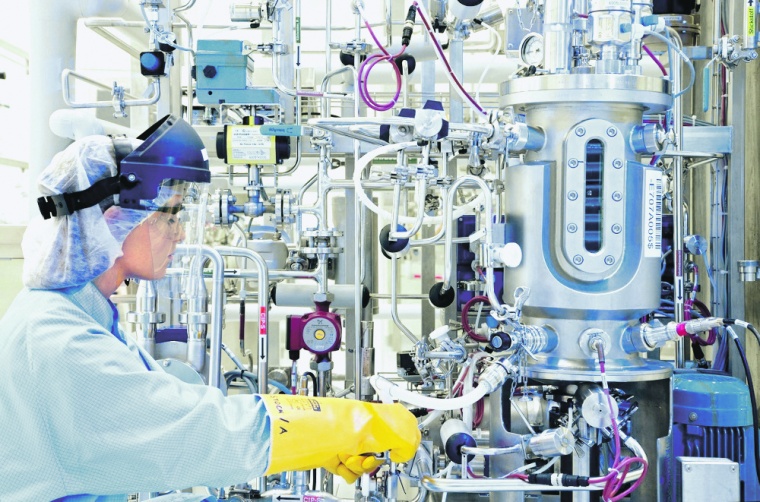
Output of the Remisma drug substance, which will be produced at Lonza’s commercial facility in Singapore, will cover market needs for the biosimilar in Europe and North America.
During this year’s first quarter, the two companies worked together on the validation process at the Singapore plant and have already applied to the EMA for approval of the products. Subsequently, the two companies will also seek approval from the FDA.