LBC Sells Shanghai Stake to Cosco
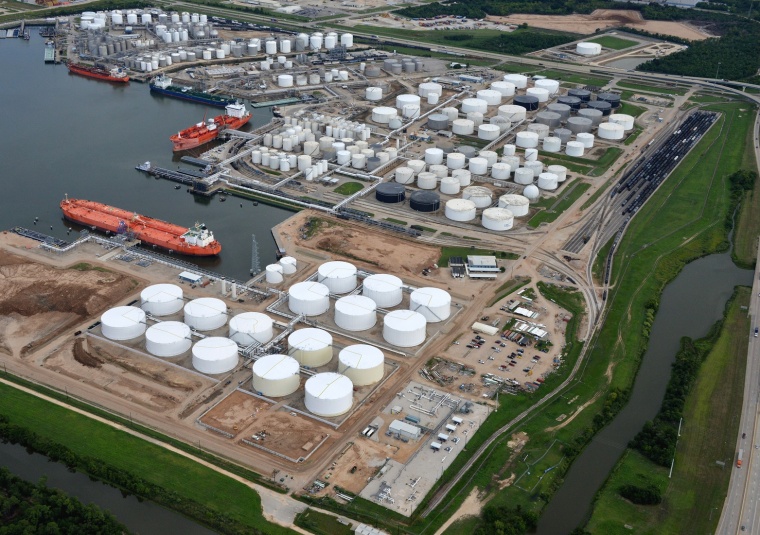
Belgian storage operator LBC Tank Terminals has sold its 70% share in its joint-venture Shanghai terminal to partner Cosco Shipping, a Chinese state-owned shipping and logistics services company.
The deal was effective from Jun. 12, 2019. Financial terms were not disclosed.
The Beijing-based group said the acquisition forms an important part of its strategy to develop its liquid cargo storage business and create synergies with its shipping operations.
Located in Shanghai’s Waigaoqiao port area, the terminal comprises 62 tanks with a total capacity of 74,200 cubic meters for chemical storage services.
LBC said the divestment will allow it to focus on the extensive expansion projects currently underway in Europe and the US as well as several other potential projects.
The company is currently tripling tank capacity in the Botlek area of the Port of Rotterdam, the Netherlands. The first two phases are finished and the whole project is expected to be completed by the end of 2020.
In the US, Seabrook Logistics, owned 50:50 by subsidiaries of LBC Tank Terminals and pipeline company Magellan Midstream Partners, is developing the third phase of its storage expansion along with the construction of new docks at Galveston Bay, Texas.