Invista Brings Production of Terrin Polyols to Europe
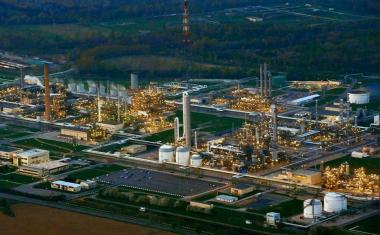
Invista is now producing Terrin polyols at its plant in Vlissingen, the Netherlands, as well as in the US. The site produced its first commercial volumes in late 2014, as well as completing its registration under EU REACh legislation.
Invista also produces aliphatic Terrin and aromatic Terate polyols in Wilmington, North Carolina, US.
"By expanding production of the Terrin family of polyols into Europe and utilizing an existing Invista manufacturing facility, we are able to better serve the growing European demand for competitively priced products with sustainable content," said Nadine de Vries, vice president of Terrin and Terate polyols for Invista Specialty Materials.
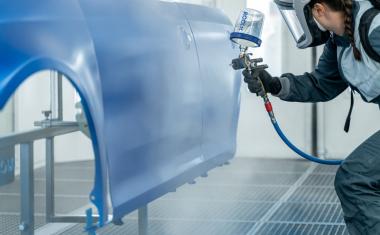
She added: "We're currently collaborating with formulators to create value-added, cost-effective high resilience foams, spray coatings, adhesives, elastomeric resins and viscoelastic foams, just to name a few."
Terrin aliphatic polyester polyols contain a minimum of 50% recycled content, with some also containing renewable content. Formulators can use Terrin polyols instead of, or in combination with, conventional polyether or polyester polyols to formulate a variety of polyurethane products.