Ineos Plans More Ethylene at Chocolate Bayou
As other companies delay plans for ambitious US petrochemical plants run on shale gas-derived feedstock as oil prices move further downward, Ineos appears to be pressing ahead.
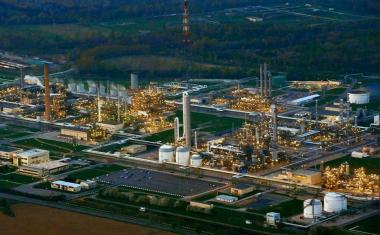
The Swiss-based group may add up to 470,000 t/y of shale gas-fed ethylene capacity at its Chocolate Bayou site, Louisiana, Dennis Seith, CEO of its US subsidiary, has told the news agency Bloomberg.
Seith added that the expansion could also include polypropylene and alpha-olefins capacity. A final investment decision on the expansion could be made within a year, and the additional ethylene available in the early 2020s, Bloomberg quotes the executive as saying.
Explaining why Ineos has decided to buck the trend and invest in shale feedstock, Seith said the low crude prices are causing delays in investment decisions that could lead to “a very tight market” for ethylene by the end of the decade.
Together with South African partner Sasol, Ineos plans to start up a 470,000 t/y HDPE plant at La Porte, Texas, in the Houston Ship Channel during the fourth quarter of this year.
The US chief said Ineos also may consider buying assets Dow and DuPont may have to divest in exchange for approval of their merger. He added that the group is also weighing plans to acquire its own shale gas fields in the US.