Ineos may Produce Oxo Derivatives
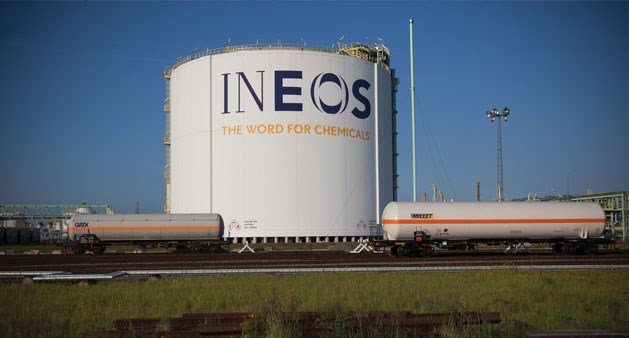
After acquiring Arkema’s 50% share in the Oxochimie joint venture, Ineos Oxide, a subsidiary of Swiss-based olefins and polyolefins giant Ineos, said it has completed a strategic review of the business and is considering entering oxo derivatives production.
Ineos said it has decided to proceed with an engineering study into the production of an array of oxo chemical derivatives, including 2-ethyl hexanoic acid and polyalcohols, such as trimethylolpropane (TMP) and neopentyl glycol (NPG).
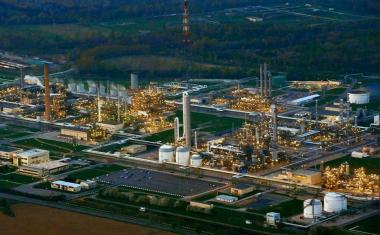
Possible locations for a production facility include Ineos group sites at Zwijndrecht, Belgium and Dormagen, Germany, or a co-location with the existing oxo alcohol plant in Lavéra, France.
Graham Beesley, CEO of Ineos Oxide, said the company is pleased with the speed at which Oxochimie has been fully integrated and is now looking for the “logical next step” to grow the business. The range of products it may manufacture will complement its existing products for the coatings and lubricants markets.
Oxochimie is regarded as one of Europe’s leading producers of the petrochemical raw materials n-butanol, 2-ethylhexanol, isobutanol, n-butyraldehyde and isobutyraldehyde.
The French specialty chemicals producer uses part of the Lavera output as a feedstock for its European acrylic esters production. The remaining volumes are sold on the free market, As sole owner of Oxochimie, Ineos will continue to supply Arkema’s acrylic esters production.