Hazardous Chemicals to be Moved from Tianjin
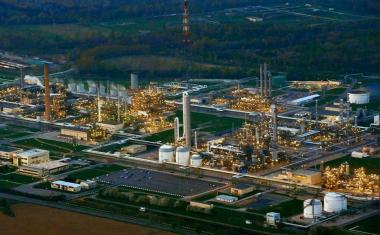
Companies producing hazardous chemical in the Chinese port city of Tianjin, where deadly warehouse explosions killed more than 160 people in August, will be moved to an industrial zone far from the current site. The official Chinese news agency Xinhua said firms handling dangerous chemicals will be relocated to the Nangang Industrial Zone about 30 km from the blast site and at least 10 km from the nearest residential area. Citing local officials, it said Nangang aims to become a "world-class port and base for the heavy chemical industry.”
A third-party organization will be authorized to enact and release evaluation reports on the environment, safety and ecology, Xinhua said.
Tianjin officials have come into for harsh criticism in the wake of the blasts, which flattened part of one of the world's busiest ports. Residents have demanded compensation for the loss of apartment buildings that were closer to the storage faciliaties than allowed by Chinese regulations.
An investigation of the August accidents found that officials from a range of agencies, including Tianjin's transport, land resources, work safety and customs offices had been irresponsible, negligent and lax in supervision.