Grangemouth Biofuels Plan Gets £11 Million Grant
Plans by Edinburgh-based Celtic Renewables to build a new plant in Grangemouth, Scotland, that would produce biobutanol from Scotch whisky byproducts, has received an £11 million boost from the UK Department of Transport.
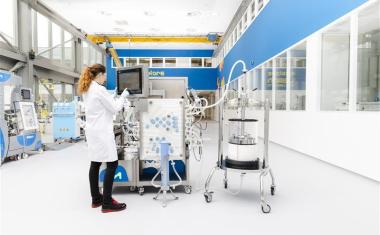
Celtic Renewables said it has already attracted investment and partners in the private sector to fund a demonstration plant producing the biobutanol, used as an alternative fuel for automobiles and airplanes. The transport department funding would facilitate construction of a demonstration plant that could be scaled up to industrial production.
The company is still searching for a suitable location in the Grangemouth area for the demonstration plant projected to be operational by the end of 2018.
Dennis Goldie, spokesperson for Falkirk Council’s economic development board, told the local newspaper Falkirk Herald: “Securing this new biofuel plant is a real coup for the area and fits with our long-term goals to encourage investment in Grangemouth and to create and sustain a booming local economy.
Grangemouth currently is highly dependent on the sprawling Ineos-owned petrochemical complex to provide jobs, and the biofuels project would provide a clear contrast.
The estimated £25 million biofuels construction project offers an impetus “for a range of local businesses,” Goldie said. The plant would at least employ 25 full time workers in highly skilled posts such as chemists, engineers and plant operators.