Gaddafi's Son Took Oil From Libyan Field
The United States believed in 2009 that Muammar Gaddafi's son Saif al-Islam was taking part of the output of an oil field run by France's Total, according to a diplomatic cable seen by Norwegian newspaper Aftenposten.
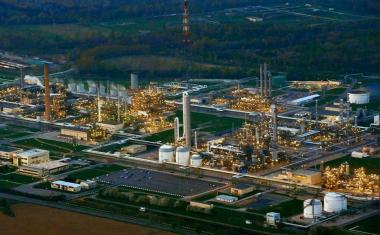
The cable from the U.S. embassy in Tripoli - made available to Aftenposten by the Wikileaks site - said the Libyan leader's son had regularly diverted oil from the offshore al Jurf field, operated by Total in conjunction with Germany's Wintershall and the Libyan National Oil Corp.
"The embassy could not determine whether Saif's tapping of oil affected the Libyan state's share or whether it came at the expense of the foreign companies," Aftenposten reported on Thursday.
A spokesman for Total said no such activity took place with regard to its production share from al Jurf.
"Regarding our stake, we wish to strongly deny this information," said spokesman Florent Segura of Total.
Wintershall, a unit of the chemicals conglomerate BASF, did not immediately respond to a request for comment.
Aftenposten did not publish a copy of the actual cable, which it said was dated June 4, 2009, and written by the U.S. ambassador to Libya at the time, Gene Cretz.
Quoting from the document, the newspaper said embassy officials believed Gaddafi's son had sold the al Jurf oil "to finance his various activities."
Saif al-Islam has been a vocal defender of his father's regime during the upheaval of recent weeks.