Evonik Idles US SAP Plants
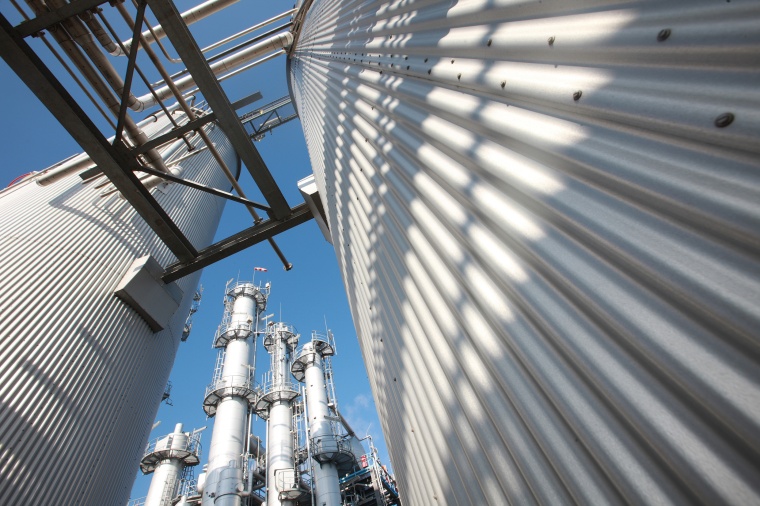
Poor market conditions have forced Germany’s Evonik to scale back production of superabsorbent polymers (SAP) in the US. Production lines at the company’s plants in Garyville and Greensboro, North Carolina, are to be idled in response to lower demand, removing 40,000 t/y of capacity and taking total output down to 530,000 t/y. Timing for the lines’ closure was not disclosed.
“With this measure we’re adapting to demand trends. We plan to take the opportunity to bring capacity to the technological state of the art and to start up the lines again in 1-2 years,” said Norbert Westerholt, head of Evonik’s Baby Care business line. Global demand growth for SAP is expected to grow by about 6-7% per year through 2020, according to analysis by information provider IHS, but demand in the mature markets of North America and northwest Europe will stay fairly flat.
Evonik has five superabsorbents sites worldwide. As well as the two US plants, it has SAP production at Krefeld and Rheinmünster in Germany, and in a joint venture – Saudi Acrylic Polymers – in Jubail, Saudi Arabia.