Evonik and AkzoNobel in Electroysis JV
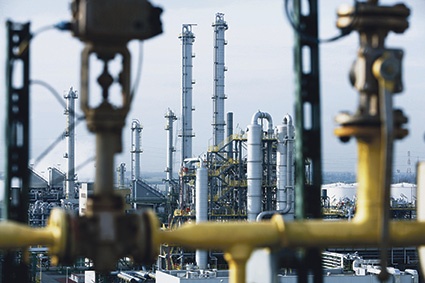
Germany’s Evonik and AkzoNobel of the Netherlands have established a 50:50 joint venture to build and operate a membrane electrolysis facility for potassium hydroxide solution and chlorine at AkzoNobel’s Ibbenbüren, Germany, site. The facility, due to start up in the fourth quarter of 2017, will have a nameplate capacity for 130,000 t/y of potassium hydroxide solution and a 82,000 t/y of chlorine.
AkzoNobel will process the chlorine and the hydrogen output directly at the site and market the remainder on the open market, while Evonik will market or further process the potassium hydroxide solution into potassium carbonate at its Lülsdorf, Germany site.
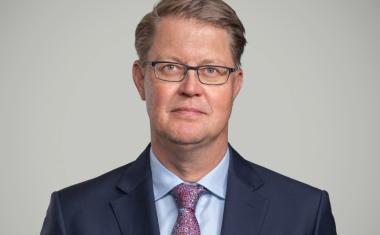
The new joint venture will enable Evonik to supply customers with our potassium derivatives reliably in the long term and also make a “significant contribution” to environmentally-friendly and sustainable production of potassium derivatives, said Evonik exeutive board member Patrik Wohlhauser.
Werner Fuhrmann, AkzoNobel’s executive committee member responsible for specialty chemicals, said the Dutch company’s investment in its
chlor-alkali activities will make its business “even more sustainable.”
Under an EU directive, production of chlorine, potassium hydroxide and sodium hydroxide solutions using mercury electrolysis must be phased out by 2018.
The two companies said the jv – still subject to regulatory clearance – will serve to further strengthen their respective leading market positions.