EU Passes Recovery Fund and Adds Plastic Tax
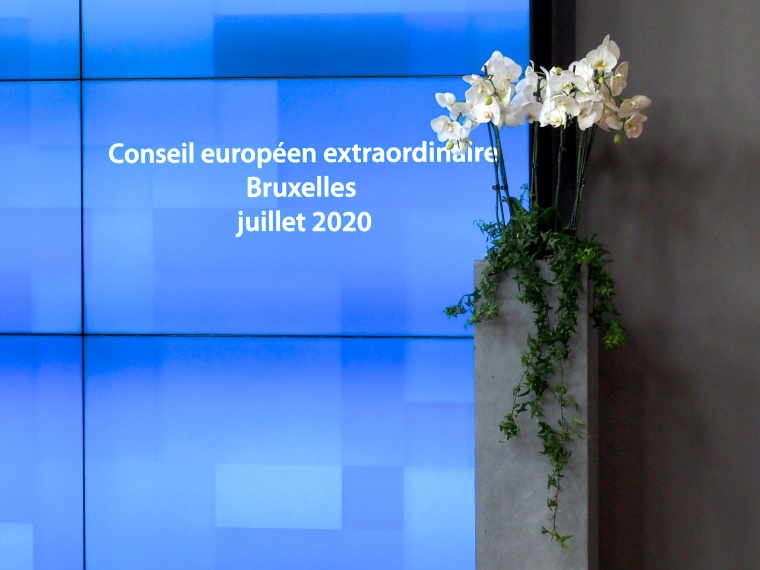
In a more than four-day marathon session, marked in part by acrimonious discussions, EU leaders passed both the planned €750 million coronavirus recovery package and a new €1.1 trillion seven-year budget in the early morning hours of July 21.
Although the envisioned sum for the recovery fund was left intact, the heads of EU member states agreed to a slight shift in distribution, as Austria, the Netherlands, Denmark and Sweden objected to distributing a more generous portion to grants without any repayment necessary.
Terms of the package now foresee €390 billion to be distributed as grants and €360 million as loans. Initially, the plan was to hand out €500 billion in grants and €250 billion in loans.
A provision of the new 2021-2027 budget is that 30% is to be spent on addressing climate change. Many of the projects are still just proposals, but – over fierce opposition from the plastics industry – state leaders nodded off on a plan discussed since 2010 to place a tax of €8 per tonne on single use non-recyclable plastic waste, for the most part packaging. Germany and France would bear the brunt.
Proceeds from the levy, to take effect at the beginning of 2021, would be funneled into the common budget. According to one estimate, this could add as much as €8 billion annually to the EU’s coffers.
In the run-up to the Brussels meeting, 48 European plastics industry associations, including PlasticsEurope and European Plastics Converters, signed a petition against the tax, arguing that “further fiscal measures are not the most efficient tool to drive innovation and investment.” Also, they said, there was “no guarantee” that the monies collected would be reinvested in better collection, sorting and recycling infrastructures.
The European Parliament must still approve the Council’s budget, but this probably will not happen without a fight. The MEPs have already expressed disappointment with the lack of attention paid to questions of public health, research, digitalization and youth, as well as the “historical” fight against climate change.
“Key programs to reach these objectives have been considerably shrunk and lost most of their top-ups,” the parliament said. It did not go into detail about specific grievances, though these are likely to be aired in coming weeks.