DuPont Profit Beats Estimates on Demand for Agriculture Chemicals, Seeds
Chemicals maker DuPont's quarterly profit beat analysts' estimates as higher sales of its seeds and agriculture chemicals offset weak demand for the once-lucrative titanium dioxide paint pigment.
Higher prices for seeds and crop protection products and demand in North America and Latin America boosted sales, the company said.
"The first quarter finished as expected, with the strong agriculture performance and performance chemicals' decline from peak levels last year," DuPont Chief Executive Ellen Kullman said in a statement.
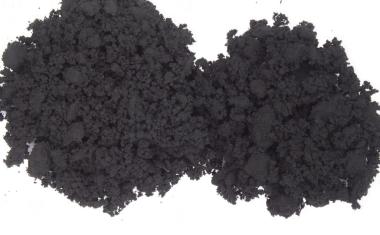
Prices for the titanium dioxide pigment, used in products ranging from car coating to sunscreen, have been under pressure after plants idled during the economic crisis came back on line even as demand stayed weak. The pigment is part of DuPont's performance chemicals unit.
The company's net income more than doubled to $3.35 billion, or $3.58 per share, in the first quarter, from $1.49 billion, or $1.58 per share, a year earlier.
Excluding one-time items, DuPont earned $1.56 per share.
Net sales rose marginally to $10.4 billion.
Analysts on average expected earnings of $1.52 per share on revenue of $10.41 billion, according to Thomson Reuters I/B/E/S.
DuPont increased its quarterly cash dividend by 5% to 45 cents per share.