Dow Completes Enhanced PE Unit at Freeport

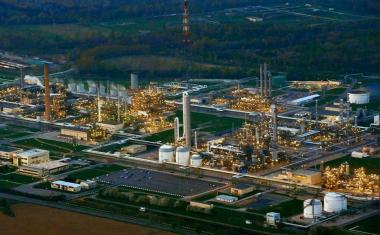
Dow Chemical said it has completed construction of its new 400,000 t/y LLDPE plant at Freeport, Texas, one of four polymer production facilities grouped downstream of a 1.5 million t/y cracker.
Other units due to go on stream up to the end of 2018 at the $6 billion Freeport complex and in the US Gulf region include a 200,000 t/y metallocene EPDM plant and a 350,000 t/y plant for LDPE packaging grades and a 320,000 t/y polyolefin elastomers unit. The LDPE plant is located at Plaquemine, Louisiana.
The LLDPE plant, which uses Dow’s proprietary solution process technology, is expected to be ramped up in the third quarter – parallel to the cracker – and reach full run in the fourth quarter, the Midland, Michigan-based chemical giant said. The enhanced resins sold under the “Elite” brand name are claimed to offer versatility and high performance attributes in multiple types of flexible packaging applications for food, personal hygiene products and industrial packaging.
Diego Donoso, business president for Dow’s Packaging and Specialty Plastics business said the EPDM plant is expected to start up in early 2018, followed by the high melt-index specialty and conventional polyolefin elastomers plant in late 2018. Dow is also debottlenecking a bi-modal gas phase production facility for pipe and fitting applications.