Covestro Launches Largest Energy Efficiency Project to Date
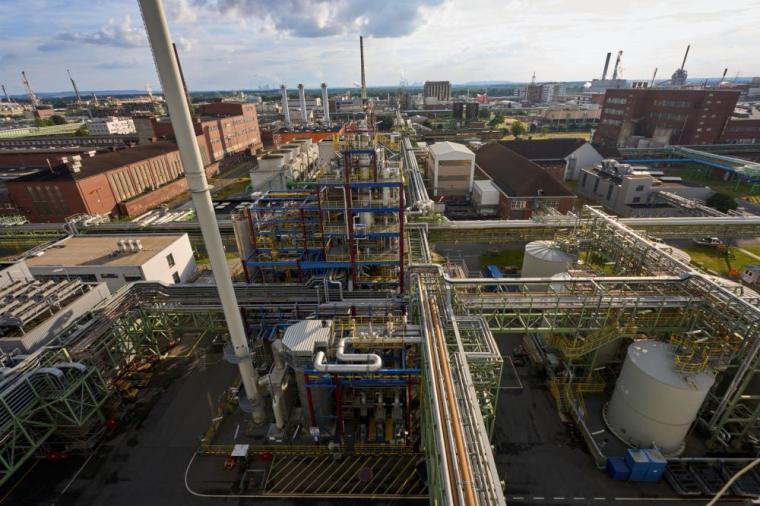
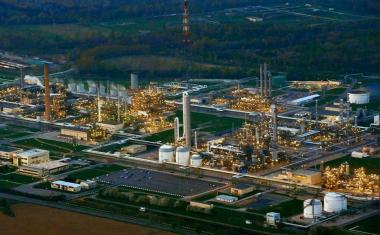
By investing in a new steam compressor at the Dormagen site, Covestro will reduce its energy requirements in Germany by 2% per year compared to 2025.
The company's largest energy efficiency project to date saves a low three-digit GWh volume of energy and more than 40,000 tons of CO2 emissions per year. This corresponds to the CO2 emissions of a town with 5,000 inhabitants or around 20,000 cars. Covestro is investing a low double-digit million euro amount in the modernization measure.
The new compressor works on the principle of a heat pump: the production processes for manufacturing TDI, a component for flexible foam, generate steam. Covestro needs steam for many production processes, but the steam generated during the production of TDI is not hot enough. It is therefore partly released into the environment as waste heat. The compressor raises the steam to a higher temperature and pressure level so that it can be used for production processes.
“Energy efficiency is a key lever for transforming our production towards climate neutrality and a circular economy. The principle is: the less energy we need, the better,” says Thorsten Dreier, CTO of Covestro. “That’s why we’re using every opportunity to make our production even more energy-efficient with modern, innovative process technologies.” From 2005 to 2022, Covestro already reduced its energy consumption by around 40 percent. The next goal: By 2030, the company aims to consume 20 percent less energy per ton of product produced than in 2020.
This project is part of an energy efficiency strategy with which Covestro is driving its transformation to climate-neutral production. As part of the master plan, the company is continuously searching for further potential energy efficiency measures. “With these projects, we are not only reducing our CO2 emissions, but also saving on energy costs,” says Andreas Doerfer, Global Energy Excellence Manager. “To achieve our energy efficiency target, we must utilize all available options for using the waste heat generated in our processes to manufacture our products.”
Construction is scheduled to start at the end of this year. The compressor is scheduled to go into operation in mid-2027.