Covestro Expands TDI Production Capacity in China
Covestro has completed a major debottlenecking project at its toluene diisocyanate (TDI) production plant in Shanghai, China.
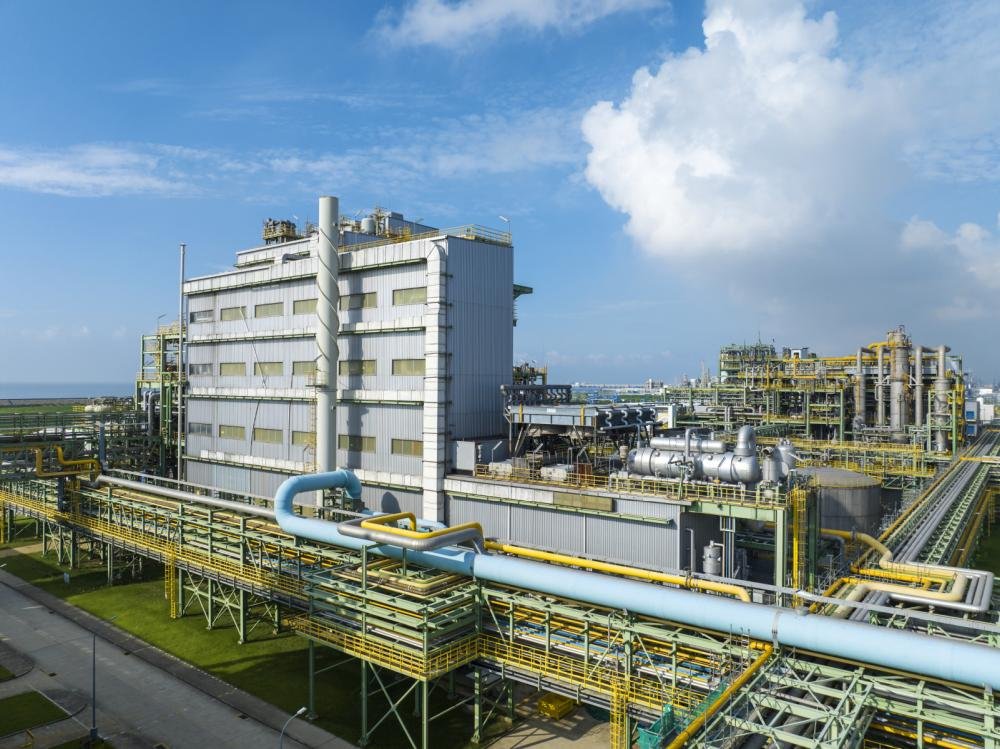
The company has increased annual production capacity there from 310,000 to 370,000 tons, an expansion of approximately 20%, strengthening Covestro 's position as the leading TDI supplier in the Asia-Pacific region.
The capacity expansion at Covestro's Shanghai Integrated Site (CISS) is in response to growing customer demand for TDI, a key component used mainly in flexible foams for furniture, mattresses and automotive applications. The debottlenecking project was completed on schedule and will enable Covestro to supply customers throughout the region more reliably.
Supporting Customers in their Growth
"This investment demonstrates our commitment to supporting the growth of our customers in China and the broader Asia Pacific region," said Xiaobin Zhong, Head of Sales for Performance Materials at Covestro in Asia Pacific. "By increasing our TDI capacity in Shanghai, we are ensuring a reliable supply to meet the growing market demand. At the same time, we are consolidating our position as a preferred partner for the furniture and automotive industries."
Located in the Shanghai Chemical Industry Park, the site is one of Covestro's largest production facilities worldwide. The successful debottlenecking project focused on optimizing existing production processes and infrastructure. Covestro thus chose a more resource-efficient way to expand capacity instead of building new production lines.
Disciplined Investment in Growth Areas
"This success reflects our strategy to grow through smart, efficient investments that create maximum value for our customers," said Hermann-Josef Doerholt, head of the Performance Materials business unit at Covestro. "It also strengthens Covestro's global TDI production network, which includes world-scale facilities in Dormagen, Germany, and Baytown, Texas. This will ensure that we can reliably serve customers in all key regions."