Consortium Studies Cracker of the Future
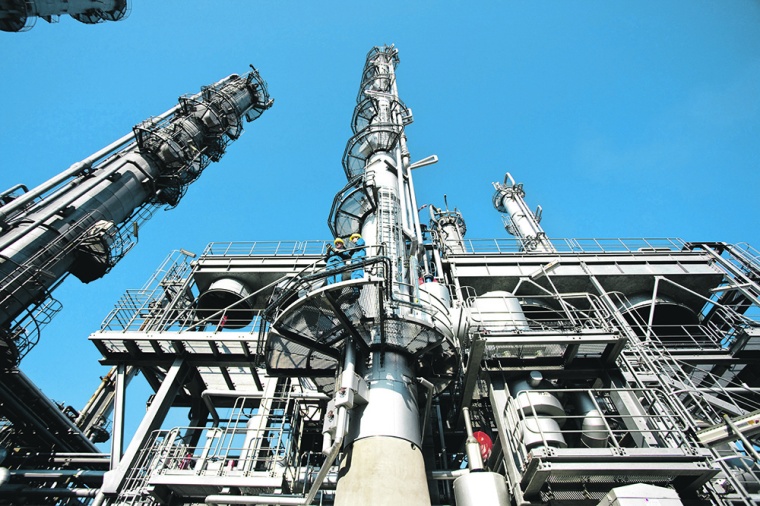
Six major petrochemical producers have formed a consortium to jointly investigate whether they could use renewable electricity instead of fossil fuels in naphtha- or gas-based steam crackers in order to significantly cut carbon emissions.
The Cracker of the Future consortium includes BASF, Borealis, BP, LyondellBasell, SABIC and Total, all of which have operations in Flanders, Belgium; North Rhine-Westphalia, Germany; and the Netherlands.
The companies have agreed to invest in research, development and knowledge sharing as they assess the possibility of transitioning their base chemical production, which includes products such as ethylene, propylene, butadiene, benzene, toluene and xylenes, to renewable electricity.
Steam crackers represent the “principal opportunity” for reducing the industry’s greenhouse gas emissions, the consortium note. One option is to electrically heat the cracking furnaces. However, there are key challenges in developing electricity-based cracker technology, such as ensuring the process is technologically and economically feasible, that it fits into a future low-carbon value chaint and can be implemented in time to meet European policy targets.
Within the consortium, the companies have begun exploring and screening technical options. Should they identify a potential solution, they will then determine whether to pursue a joint development project(s), including R&D activities that could include a demonstrator for proof of concept.
The collaboration is a direct result of the Trilateral Strategy for the Chemical Industry, drawn up by the Flemish and Dutch ministries of economic affairs and the government of the German state of the North Rhine-Westphalia, along with industry associations VCI in Germany, Essenscia in Belgium and VNCI in the Netherlands, to boost the chemical sector’s sustainability. The strategy is centered on three pillars – energy, infrastructure, and innovation.
The trilateral region of the Netherlands, North Rhine-Westphalia and Flanders is the world’s largest chemical cluster with annual revenue of €180 billion and 350,000 employees.