Clariant Gets China OK for Stabilizers Site
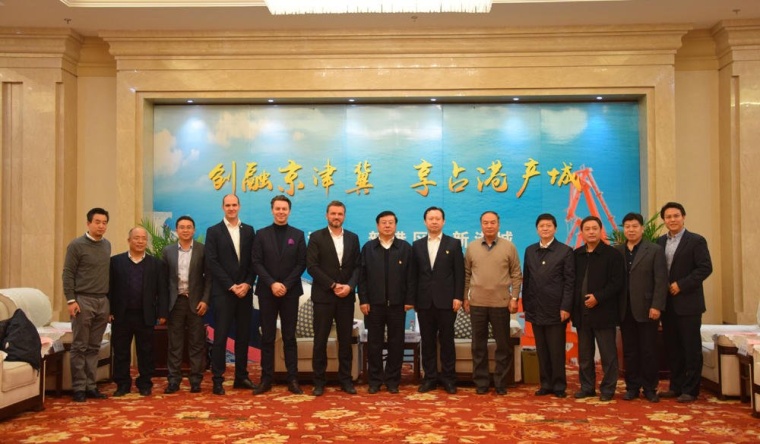
Following the signing of a joint venture with Tiangang Auxiliary in September, Clariant has been given the go-ahead by China’s local authorities to purchase a site for its proposed light stabilizers plant The assignment of the land within the Cangzhou National Coastal-Port Economy and Technology Development Zone in Hebei province was officially confirmed on Nov. 20.
“The demand for high-end additives solutions is growing strongly in China. With the merger control clearance successfully confirmed in October, we are pleased to complete this next important step with our trusted partners towards establishing local production that will accelerate response times, shorten supply lead times and deliver tailored solutions to our customers in the growing Asia region, especially in China,” said Stephan Lynen, head of Clariant’s Additives Business Unit.
Zhang Guo Dong, standing member of the Cangzhou Municipal Party Committee of the Chinese Communist Party, said he hopes the area could explore more opportunities with Clariant based on the existing cooperation so as to introduce more foreign advanced technologies into the area.
The plant, which will initially produce stabilizers for the textile and automotive industries, is scheduled to go on stream in the first half of 2019. Details on capacity and equity stakes in the jv were not revealed.