Clariant Commissions Mexico Pigments Plant
Swiss specialty chemicals producer Clariant has boosted its pigments capabilities in the Americas with the start-up of a new plant in Mexico in the second quarter of 2016. Located in Santa Clara, the facility doubles Clariant’s capacity in the country for water-based pigment preparations. An additional plant for solvent-based pigment preparations is scheduled to start up on the same site in the fourth quarter. This plant will produce products suited to high milling demands in the US specialties market.
The increased capacity will enable the company to improve its support for current and emerging market segments in North and Latin America, including decorative and industrial coatings, non-impact and flexographic printing, and specialties like home care, personal care and stationery. Michael Grosskopf, head of Clariants pigments business unit, said the plant’s strategic location in Mexico allowed the company to better tailor its offering to specific customer and application needs.
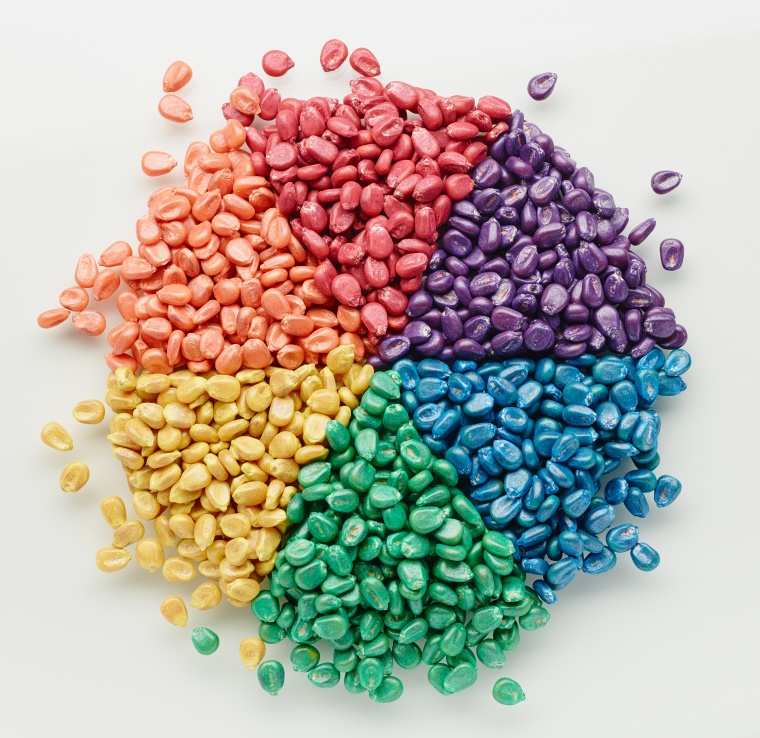
Clariant said pigment preparations, which are aqueous dispersions based on pigments, offer faster and more cost-efficient production as well as better dispersibility than powder pigments.