Canada’s Agrium Going Ahead With Texas Nitrogen Expansion
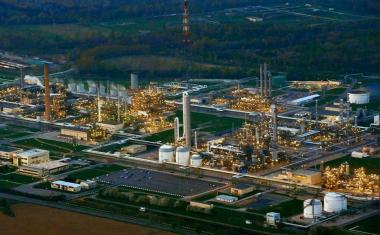
Canadian fertilizer giant Agrium said this week it will proceed with plans for a US$ 720 million expansion of a nitrogen plant at Borger, Texas. Plans include a new urea production facility with a capacity of 610,000 t/y, scheduled to go on stream in the second half of 2015.
Around 100,000 of the total output is planned to be fuel-grade urea that can be used to reduce nitrogen oxide emissions of motor vehicles. At the same time, ammonia output will be increased by 145,000 t/y to around 635,000 t/y.
The nitrogen expansion is one of the latest in North America to take advantage of shale rock gas feedstock. The world's fourth-largest global producer of nitrogen, scaled back its nitrogen growth plans last June, suspending engineering work on a proposed $3 billion plant in the U.S. Midwest and plans to expand its Redwater, Alberta, plant.
"The upgrade and expansion at the Borger facility will continue to grow our nitrogen footprint in this important agricultural region while providing a strong return on investment," Agrium CEO Chuck Magro said in a statement. He said the project "will ensure the facility's future longevity, while using the latest in environmental control technology."