27.07.2015 • News

Bristol-Myers Squibb HIV Drug Fast-Tracked

The US Food and Drug Administration has designated the Bristol-Mayers Squibb experimental HIV drug BMS-663068 as a breakthrough treatment, which could accelerate its approval.

The US drugmaker is currently running late-stage clinical tests with the drug, intended to be used with other antiretroviral drugs in adults who have already developed resistance to several other types of HIV treatments.

According to the National Institutes of Health, there are six classes of HIV drugs, and patients are typically treated with drugs from at least two different classes at any given time, but if they develop resistance to several types of drugs, their doctors may not be able to assemble an effective treatment regimen.

The company is studying BMS-663068 in patients who have two or fewer drug classes left to them. The new development, which the company said does not fit into the six current classes of HIV therapy, is designed to stick to HIV cells and stop them from binding to a type of white blood cell.

From Lab to Market Challenge

Vote Now: Germany's Most Promising Chemistry Start-ups
Choose your favourite among the finalists

Vote Now: Germany's Most Promising Chemistry Start-ups

The "From Lab to Market Challenge" brings together the most promising founders from chemistry, materials science, and industrial biotechnology. Starting June 1st, you can cast your public vote for the finalists on CHEManager.com — before the award ceremony with €10,000 in prizes takes place on June 25th.

Expert Insights

ADCs for Precision Cancer Therapy
Comprehensive Insights into Antibody–Drug Conjugates

ADCs for Precision Cancer Therapy

Explore how antibody-drug conjugates are reshaping precision cancer therapy and discover what it takes to successfully develop, manufacture, and scale these complex biologics.

most read

Photo

VCI Welcomes US-EU Customs Deal

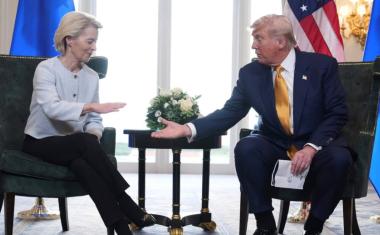
The German Chemical Industry Association (VCI) welcomes the fact that Ursula von der Leyen, President of the European Commission, and US President Donald Trump have averted the danger of a trade war for the time being.