Braskem Reevaluating West Virginia Cracker
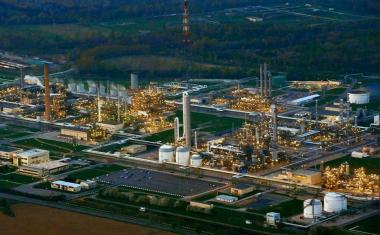
Brazilian chemical giant Braskem is reviewing plans to build a world-scale ethane-fed cracker and downstream polyethylene plants in Parkersburg in the US state of West Virginia in light of receding crude oil prices.
Speaking in New York at a meeting of Société de Chimie Industrielle, an independent non-profit organization originally founded to represent French interests, Fernando Musa, CEO of Braskem America - which also oversees European operations - said the company would not build a US cracker to go on stream before the year 2020.
Most of the engineering work for the planned facility's first phase already has been completed.
While Braskem believes the project is still interesting, especially as feedstock from the nearby Marcellus Shale gas fields is easily accessible and 40% of US demand for PE within 500 miles of the proposed facility, he said the cost advantage of a US-based ethane cracker over a naphtha-fed unit has sunk from $600 million a year ago to only around $150 million at present.
As another cost factor, the Brazilian executive also pointed to the long availability of ethylene, as in the wake of the shale euphoria, many new plants were brought on stream, and many of these are not entirely back-integrated.
Braskem is still contemplating whether to build new polypropylene plants in the US, where availability is still tight, or debottleneck existing plants. Much depends on the availability of propylene feedstock in the right quantity at the right location, Musa said.
The Brazilian petrochemical group currently has five PP production facilities in the US - at Marcus Hook, Pennsylvania; Kenova, West Virginia; La Porte, Freeport, and Seadrift, Texas.