BP Seeks Buyers for China’s SECCO Stake
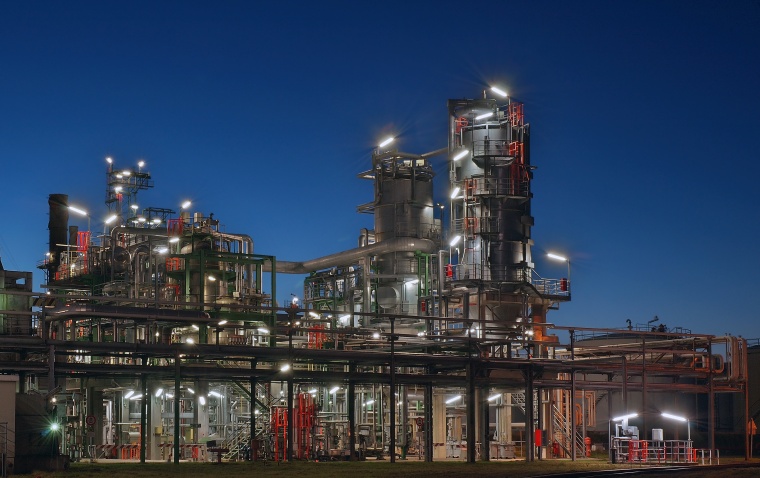
Oil major BP is seeking buyers for its 50% share in Chinese petrochemicals joint venture SECCO, according to several news reports. Sources said a deal could fetch $2-3 billion. The other half of the venture is owned by Sinopec, which has a first right of refusal. The Chinese state-owned company reportedly is discussing the conditions put forward by BP but has made no decision.
Located in Caojing, near Shanghai, SECCO is BP’s single biggest investment in China and operates the largest olefins cracker in the country, capable of producing 1.3m t/y ethylene. Derivatives include acrylonitrile, PE, PP, styrene, PS, butadiene, among others. Morgan Stanley is working with BP on a potential sale, which is part of a drive to release cash out of businesses where it lacks control, sources close to the matter said. Analysts said BP’s move to exit the SECCO plant makes sense at a time when Asia is awash with petrochemical products.
BP is said to have no plans to exit China, where it has stakes in several other petrochemical sites – notably Chongqing, Zhuhai and Nanjing - as well as a liquefied natural gas terminal. The London-based energy giant plans to sell assets worth $3-‘5 billion this year as it seeks to tighten capital expenditure in response to falling oil prices.