BP Invests in Spanish Green Hydrogen/Biofuels Capacity
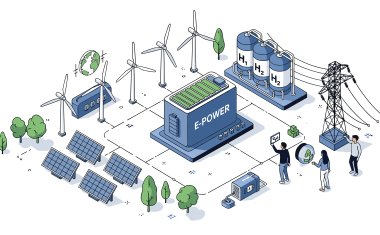
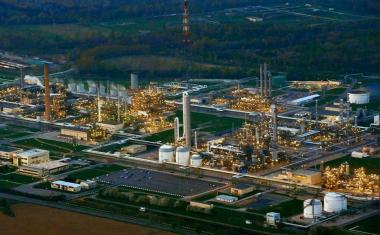
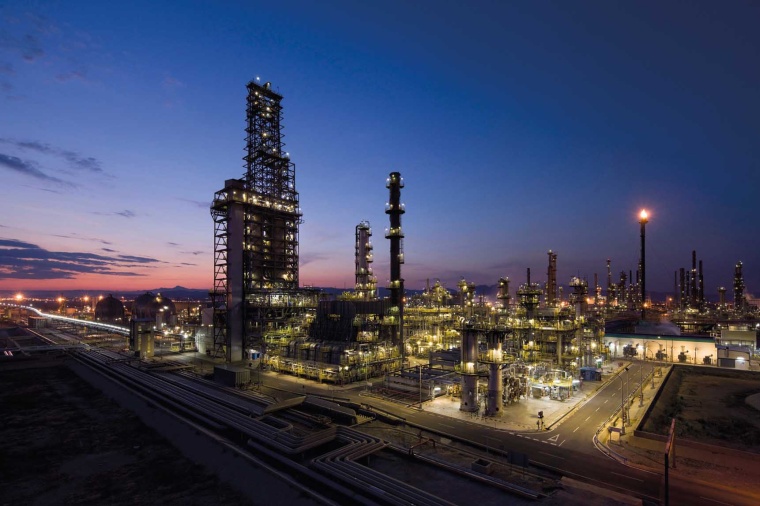
BP is investing up to €2 billion in a green hydrogen plant at its Castellon refinery in Spain, replacing the site’s existing fossil-fuel based facility and expanding production of biofuels threefold. The project is the basis of a public-private initiative named HyVal and led by BP to decarbonize the Valencia region, including the Castellon refinery.
Andres Guevara, president of BP Energia Espana, said the aim is to develop up to 2 gigawatts (GW) of electrolysis capacity by 2030 for green hydrogen production, helping decarbonize the energy company’s operations and those of customers.
Hydrogen production will be developed in phases. The first stage will see an electrolysis plant installed at Castellon with at least 200 megawatts (MW) of capacity, with operations scheduled to start in 2027. Up to 31,200 t/y of green hydrogen will be produced at this phase, replacing natural gas in the refinery and providing feedstock for extra biofuels output, which will eventually reach 650,000 t/y by 2030.
In a second phase, which could be completed in 2030, the electrolysis plant would be expanded to reach up to 2 GW of capacity, providing enough green hydrogen to support both regional and national demand, as well as positioning Valencia to export to the rest of Europe through the Mediterranean green hydrogen corridor.
This corridor, named H2Med, will connect Spain and Portugal to France and Germany through an undersea pipeline, which should be operational in 2030. “The production of green hydrogen will be another step in strategic energy autonomy for Spain and more widely for Europe,” said Carolina Mesa, BP’s vice president, hydrogen, Spain and new markets.
BP is undertaking several green hydrogen projects around the world, including in the UK, Germany and Australia, aiming to produce between 500,000-700,000 t/y of mostly green hydrogen by 2030.
In January, BP announced it would conduct a feasibility study on a new hydrogen hub in Wilhemshaven, Germany. The hub would include an ammonia cracker, which could provide up to 130,000 t/y of low-carbon hydrogen from 2028, with scope for further expansion as the market for future fuels develops.
In December 2022, the energy giant also agreed with the Egyptian Government to explore the potential for building a green hydrogen plant in that country.
Author: Elaine Burridge, Freelance Journalist