Boehringer Expands Biopharmaceuticals in US
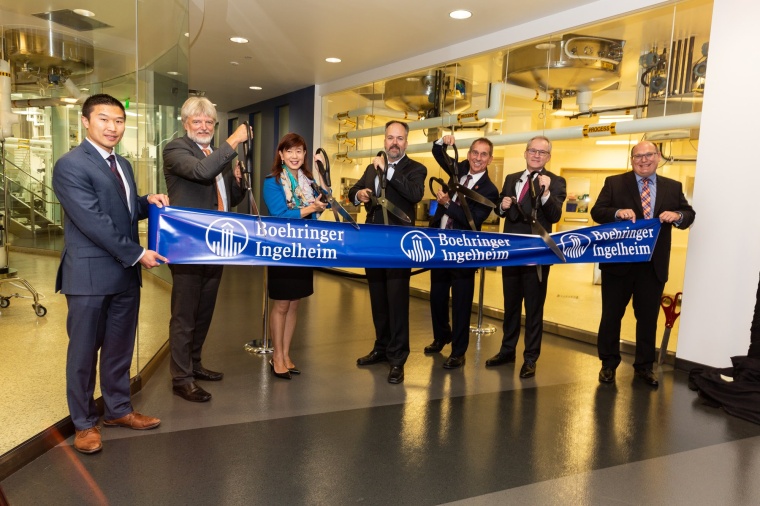
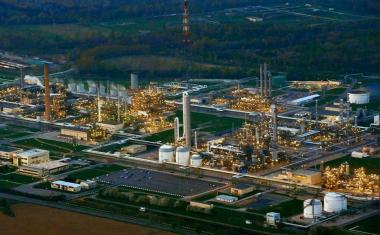
Germany’s Boehringer Ingelheim has opened a new US biopharmaceutical manufacturing facility at Fremont, California, expanding its worldwide bioreactor capacity to 290,000 liters. The US plant, which cost €200 million to build, employs 300 people.
With the start-up, the company said it is now “well-positioned” to manufacture new biological products from its own research pipeline as well as provide contract manufacturing for other pharmaceutical and biopharmaceutical companies.
“The completion of our expansion in Fremont marks another milestone in our biopharmaceutical growth strategy,” said Uwe Bücheler, head of the Boehringer Biopharmaceuticals business unit. “Our locations in the United States, Germany, Austria, and China are contributing to the development of innovative biopharmaceuticals for patients worldwide.”
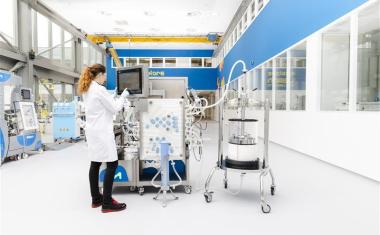
Biopharmaceuticals make up around 40% of the active ingredient candidates from the German company’s research pipeline. Its biotech contract manufacturing arm, which operates on the BioXcellence platform, saw double-digit growth last year and currently formulates 31 biopharmaceutical medicines for customers worldwide.
According to Boehringer, it can provide “the entire production technology chain from DNA to fill and finish” through its network in Biberach, Germany; Vienna, Austria; Fremont and Shanghai, China.