Biofuels: Bayer and BP Form Strategic Alliance
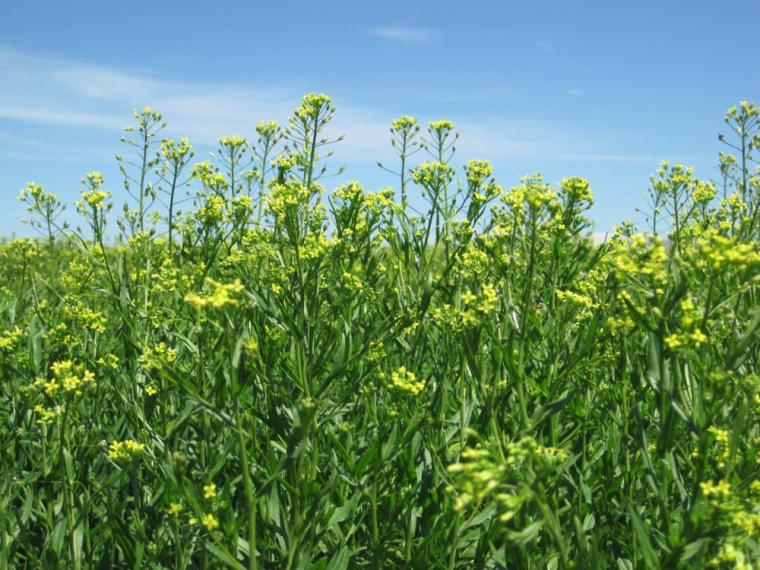
Bayer and BP are launching a long-term strategic collaboration to market the oilseed camelina under the Newgold brand for the production of biofuels.
The companies will initially launch Camelina in North America. BP will contribute its expertise in fuels and refining, while Bayer will leverage its leading expertise in seed development and its extensive network in agriculture. The goal is to create a market that serves the growing demand for biodiesel, renewable diesel, and sustainable aviation fuels - expected to almost triple in volume to around 150 billion liters by 2040.
"The cooperation with BP enables us to bring Camelina to the market as a crop and to operate along the entire value chain. This gives farmers more planning security when deciding on cultivation," says Frank Terhorst, Head of Strategy and Sustainability at Bayer's Crop Science Division. "With our breeding expertise, we are improving Camelina for professional cultivation and want to use the plant's potential worldwide to meet the demands of the growing biofuels market. This is a win for our customers and their operations because it creates new potential revenue streams, but also a win for the renewable fuels market and, last but not least, a win for the environment."
Philipp Schoelzel, Senior Vice President Biofuels Growth at BP, added: "This collaboration shows what BP is all about. We work with reliable partners who have complementary skills to develop products that our customers want and need. At the same time, we are creating value for our shareholders."
Fuels with Lower CO2 Intensity
Camelina seeds create new revenue streams for farmers while offering them flexibility. Due to the versatility of the plant, they can decide which type of cultivation best suits their farm - whether within crop rotations or on underutilized land to make it more productive while achieving soil quality benefits. This flexibility allows farmers to participate in the biofuels market while maintaining control over their agronomic and financial decisions. Bayer has already introduced Newgold Camelina in the Northern Plains of the U.S. and in the Southern Saskatchewan and Southern Alberta regions of Canada.
The fuel derived from camelina has a lower CO2 intensity than that from fossil sources. The plant also requires fewer inputs such as pesticides or fertilizers and can be grown in both spring and winter. It is hardy, resistant to premature pod bursting and more resistant to drought. It is suitable for cultivation on fallow or little-used land as well as within classic crop rotations. This allows farmers to avoid any competition with food production.
The strategic alliance with BP follows the acquisition of Camelina assets announced by Bayer at the end of January 2025. While Bayer is intensifying production in preparation for full market entry, further trials are currently underway with variants specifically adapted to long and short growing seasons.
Biofuels can play a key role in the decarbonization of the transport sector, as electrification is not feasible in all transport systems, such as aviation, shipping or heavy-duty transport. Biofuels can be produced from renewable organic raw materials such as corn, soy, rapeseed and oilseeds such as camelina.