BioAmber Produces Bio-based 1,4-Butanediol
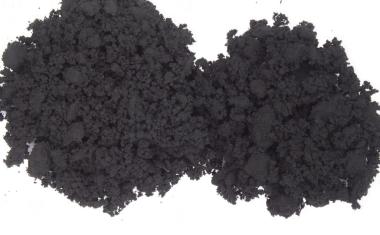
BioAmber has scaled up its hydrogenation catalyst technology under license from DuPont and converted multi-ton quantities of bio-succinic acid into 100% bio-based 1,4-butanediol (1,4-BDO), tetrahydrofuran (THF) and gamma-butyrolactone (GBL).
BioAmber believes the global addressable market for these products exceeds $4 billion, and that they are principally used to make polyesters, polyurethanes, spandex and biodegradable plastics.
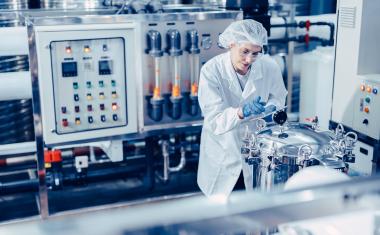
Using bio-succinic acid made at its French facility as a starting material, BioAmber successfully completed a 1,4-BDO production campaign in collaboration with one of the world's leading commercial catalyst suppliers and a toll manufacturer possessing large-scale hydrogenation reactors and distillation columns.
"This is the culmination of two years of work and an important milestone in the development of our bio-based 1,4-BDO platform. We have been able to couple the DuPont catalyst technology with our bio-succinic acid production to manufacture high purity bio-based 1,4-BDO at demonstration scale," Jim Millis, BioAmber's Chief Technology Officer said. "We are developing an integrated plant engineering design that combines the production of bio-succinic acid and bio-based 1,4-BDO on a single site," he added.