Bayer Seeks End to Glyphosate Dispute
Bayer is attempting to resolve the uncertainties arising from the glyphosate litigation, both in pending and potential future lawsuits, through a multi-billion dollar class action settlement.
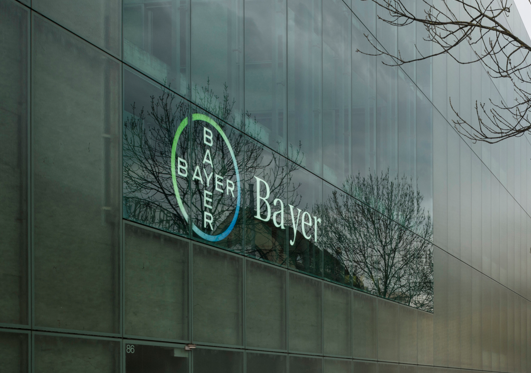
With the approximately $63 billion takeover of glyphosate manufacturer Monsanto in 2018, Bayer was hit by a wave of lawsuits alleging illnesses caused by the use of the active ingredient in the crop protection product. Since then, the Leverkusen-based company has paid around $10 billion for settlements and set aside provisions of almost $7 billion for the approximately 65,000 outstanding lawsuits.
Monsanto has now reached a class settlement to resolve the litigation concerning glyphosate, the active ingredient in the herbicide Roundup, in the USA. The long-term agreement is intended to resolve both pending and potential future lawsuits involving claims of non-Hodgkin's lymphoma. As part of the multi-pronged strategy to significantly curb glyphosate litigation, the class settlement complements the US Supreme Court's review of the Durnell case. Both steps are necessary and mutually reinforcing

Bill Anderson, CEO of Bayer, said: "The settlement agreement, together with the Supreme Court case, provides a clear path out of the uncertainties created by the litigation. This will allow us to return our full focus to innovation. The litigation and its costs demonstrate the importance of a landmark decision by the Supreme Court to clearly regulate U.S. agriculture. The class settlement and the Supreme Court's decision are both necessary to contain this litigation as fully, as safely and as quickly as possible."
Under the class settlement, Monsanto would pay out a maximum total of $7.25 billion over up to 21 years, subject to court approval. The payments would decrease annually and would be capped. This long-term payment agreement would give the company more financial certainty and control over litigation costs for both current and potential future lawsuits.
The proposed collective settlement differs significantly from the agreement the company had sought in 2020. It is longer-term and includes payouts for up to 21 years. In addition, the needs of current and potential future claimants are covered in a joint program. A professional administrator implements the program. The previously proposed agreement was limited to four years and had significantly less funding. Possible future litigation beyond the four-year period was dependent on the findings of a scientific panel, which does not exist this time.
The class settlement must be approved by the court. Part of the approval process also involves informing the plaintiffs, who then have the opportunity to reject the settlement agreement.